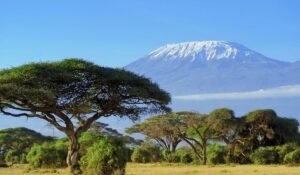
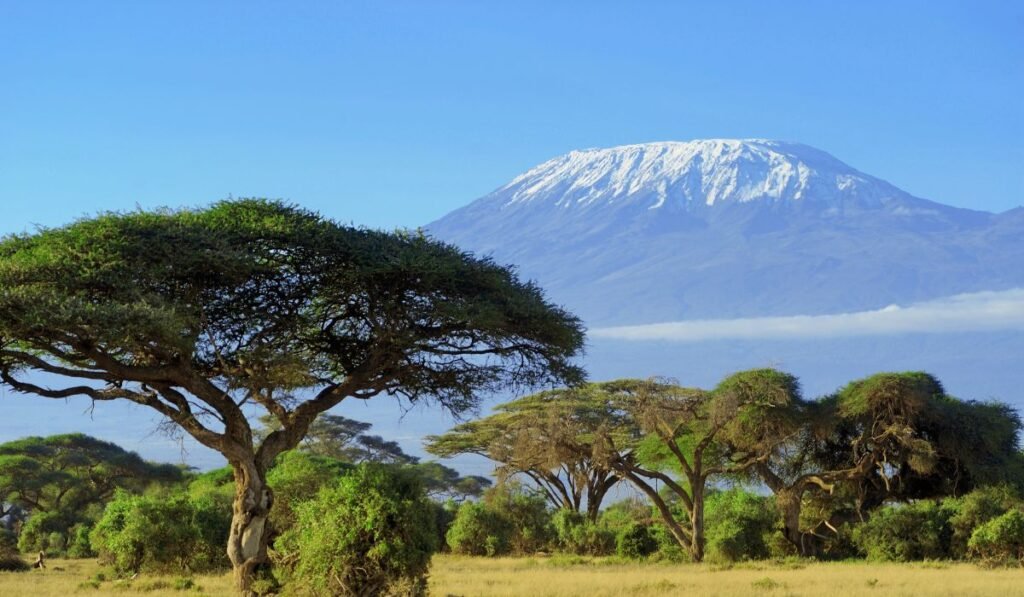
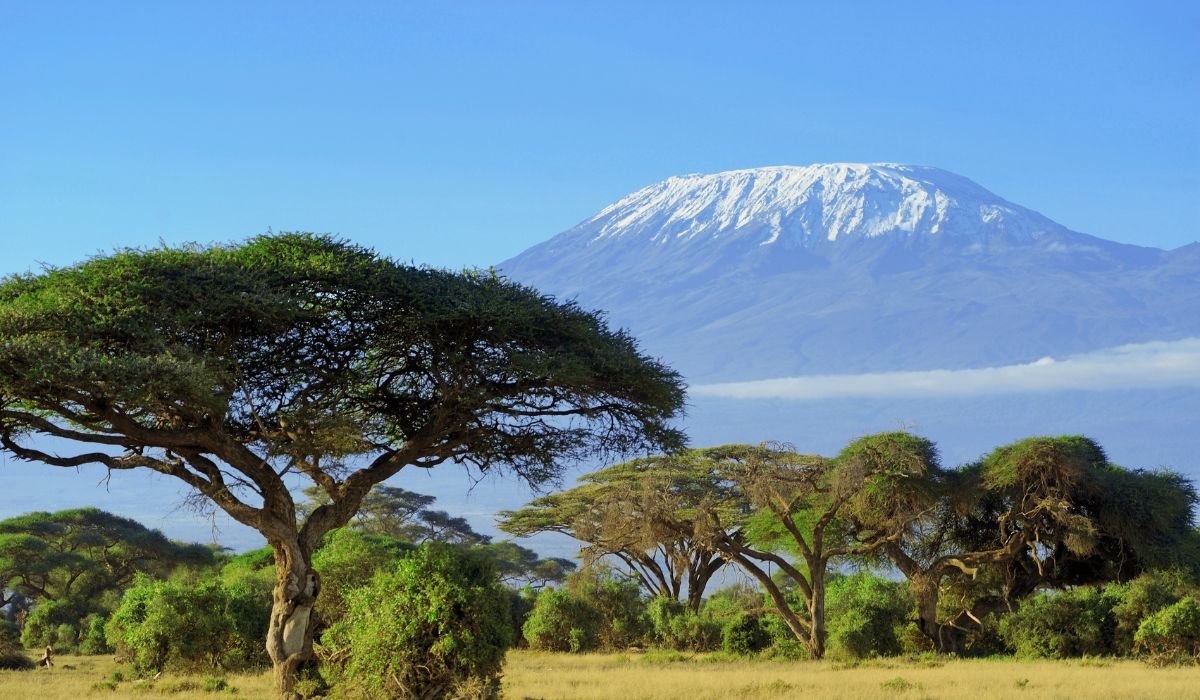
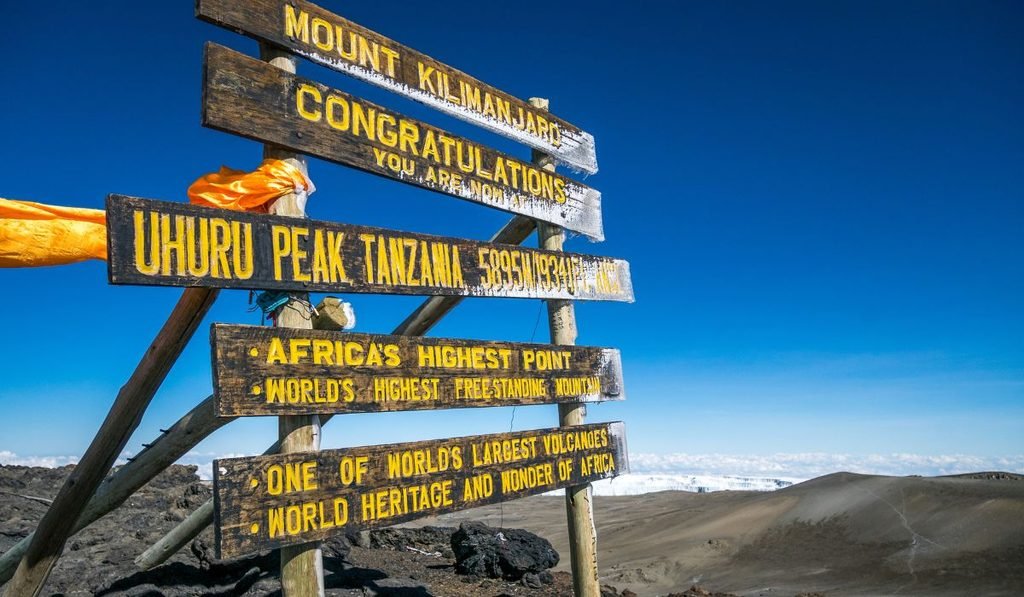
Standing at 5,895 meters (19,341 feet), Mount Kilimanjaro is the highest mountain in Africa and one of the most famous trekking destinations in the world. You do not need technical climbing experience to reach Uhuru Peak, but the trek is still a serious high-altitude adventure.
The journey takes you through different landscapes, from rainforest and moorland to rocky alpine terrain and the snow-covered summit. With the right preparation, a suitable route, and enough time for acclimatization, climbing Kilimanjaro can be an unforgettable experience.
If you are planning your first Kilimanjaro trek, this guide covers everything you need to know before you go, including the best routes, difficulty, itinerary, cost, packing list, altitude sickness, training, and the best time to climb.
What Is the Mount Kilimanjaro Trek?
The Mount Kilimanjaro trek is a multi-day hike to Uhuru Peak, the highest point of Mount Kilimanjaro in Tanzania.
Unlike many high mountains, Kilimanjaro does not require technical mountaineering skills for the standard trekking routes. You will spend several days walking uphill, sleeping at mountain camps or huts, and gradually gaining altitude before making the final summit attempt.
The biggest challenge is usually not technical climbing. Altitude, cold temperatures, long walking days, and the summit push can make the trek physically and mentally demanding.
How Difficult Is the Mount Kilimanjaro Trek?
Kilimanjaro is often described as a non-technical climb, but that does not mean it is easy.
The difficulty comes mainly from the altitude. As you climb higher, the air becomes thinner, and your body needs time to adjust. The summit day can also be long, with several hours of walking in darkness before reaching Uhuru Peak around sunrise.
Your experience will depend on your fitness, route, itinerary, weather, and how well your body responds to altitude.
You do not have to be an experienced mountaineer, but regular hiking and cardio training will make the trek much more manageable.
How High Is Mount Kilimanjaro?
Mount Kilimanjaro rises to 5,895 meters (19,341 feet) above sea level.
Uhuru Peak is the highest point of the mountain and the goal for most trekkers. Reaching this altitude is a major physical challenge because the amount of oxygen available is significantly lower than at sea level.
This is why spending more days on the mountain can be helpful. A slower ascent gives your body more time to adjust to the increasing altitude.
How Many Days Do You Need to Climb Kilimanjaro?
Most Kilimanjaro treks take around 5 to 9 days, depending on the route and itinerary.
Shorter itineraries may look attractive because they take less time and can cost less, but they give your body less time to acclimatize. Longer routes generally allow a more gradual ascent and can make the overall experience more comfortable.
If you are trekking Kilimanjaro for the first time, I would avoid choosing an itinerary based only on the number of days or the price. Acclimatization should be one of your main priorities.
Best Routes to Climb Mount Kilimanjaro
There are several routes to the summit, and each one offers a different experience. The Machame, Lemosho, and Marangu routes are among the best-known options.
Machame Route
The Machame Route is one of the most popular ways to climb Kilimanjaro. It is sometimes called the “Whiskey Route” and is known for its scenic landscapes and challenging sections.
The trail passes through rainforest, moorland, alpine desert, and high-altitude terrain before reaching the summit.
Machame is a good choice if you want beautiful scenery and a classic trekking experience. A 6- or 7-day itinerary is commonly used.
Lemosho Route
The Lemosho Route approaches Kilimanjaro from the western side. It is known for its scenery and longer approach, which provides more time for acclimatization.
The route eventually joins trails used by other trekkers as you get closer to the summit.
Lemosho is a strong option if you have enough time and want a more gradual itinerary.
Marangu Route
Marangu is one of the oldest and most recognizable routes on Kilimanjaro.
Unlike routes where trekkers sleep in tents, Marangu has mountain huts along the trail. This can make the accommodation experience different from the other routes.
The route is sometimes considered easier because of its gradual trail, but the shorter itineraries can make acclimatization more challenging.
Rongai Route
The Rongai Route approaches Kilimanjaro from the northeastern side near the Tanzania-Kenya border.
It tends to have a different atmosphere from the busier southern routes and offers a different perspective of the mountain.
Rongai can be an interesting choice if you prefer a quieter trail and want to experience a less-used approach to Kilimanjaro.
Northern Circuit Route
The Northern Circuit is the longest route on Kilimanjaro.
It takes a wide path around the northern slopes before joining the route toward the summit. The longer itinerary gives trekkers more time for acclimatization and allows them to experience more of the mountain.
If you have enough time and want to focus on a gradual ascent, the Northern Circuit is worth considering.
Machame vs Lemosho vs Marangu: Which Kilimanjaro Route Is Best?
Choosing the best route depends on your time, fitness, budget, and preference for scenery and accommodation.
| Route | Typical Duration | Best For |
|---|---|---|
| Machame | 6–7 days | Scenic trekking and adventure |
| Lemosho | 7–8 days | Gradual ascent and scenery |
| Marangu | 5–6 days | Shorter itinerary and huts |
| Rongai | 6–7 days | A different, quieter approach |
| Northern Circuit | 8–9 days | More acclimatization time |
If you are climbing Kilimanjaro for the first time, I would give serious consideration to a longer itinerary rather than simply choosing the shortest route.
Best Time to Climb Mount Kilimanjaro
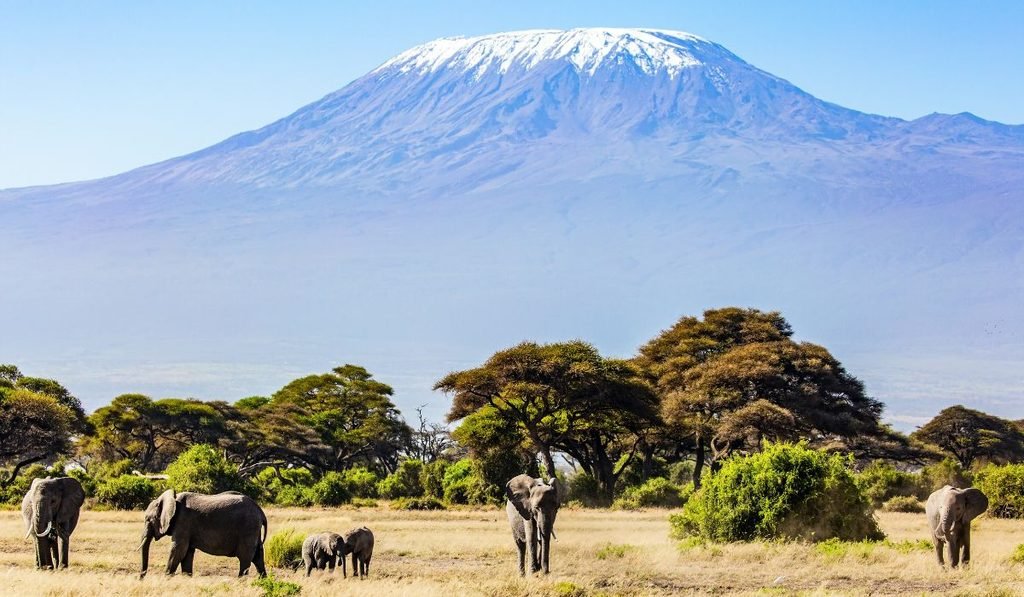
The best time to climb Mount Kilimanjaro is generally during the drier periods of the year.
The main trekking seasons are usually around June to October and January to February. These periods tend to offer more favorable trekking conditions, although mountain weather can change quickly at any time of year.
July, August, September, and January are popular months, so trails can be busier.
If you prefer fewer crowds, you may want to consider shoulder periods, but you should also be prepared for a greater chance of rain depending on the season.
Mount Kilimanjaro Trek Itinerary
Your exact itinerary will depend on the route and trekking company you choose. Here is an example of a 7-day Machame Route itinerary.
Day 1 – Machame Gate to Machame Camp
The trek begins at Machame Gate. After completing the necessary registration, you start walking through the lush rainforest.
The trail can be muddy and humid, especially during wetter periods. After several hours of walking, you reach Machame Camp for your first night on the mountain.
Day 2 – Machame Camp to Shira Camp
The landscape starts changing as you leave the rainforest behind.
The trail becomes steeper as you move toward the Shira Plateau. You will notice fewer trees and more open mountain scenery.
This is also when the effects of altitude may begin to become noticeable, so walking slowly and staying hydrated is important.
Day 3 – Shira Camp to Barranco Camp
This is an important acclimatization day.
You continue toward higher elevations before descending toward Barranco Camp. This type of climb-high-and-sleep-lower approach can help your body adjust to the altitude.
The landscape becomes increasingly rocky, and you start getting impressive views of the mountain.
Day 4 – Barranco Camp to Karanga Camp
The day starts with the famous Barranco Wall.
Although it looks intimidating from below, you do not need technical climbing equipment to cross it. You will use your hands occasionally while carefully following the trail.
After crossing the wall, the route continues toward Karanga Camp.
Day 5 – Karanga Camp to Barafu Camp
The trail becomes more barren as you enter the alpine desert environment.
You eventually reach Barafu Camp, which is the main preparation point for the summit attempt.
This is usually an early night because the summit push starts around midnight or in the early hours of the morning.
Day 6 – Summit Day: Barafu Camp to Uhuru Peak
Summit day is the toughest part of the Kilimanjaro trek.
You usually start walking while it is still dark. The cold can be intense, and the high altitude makes every step feel harder.
The trail gradually takes you toward Stella Point before continuing around the crater rim toward Uhuru Peak.
Reaching the summit can be an emotional moment. After taking some time to enjoy the achievement and views, you begin descending toward the lower camp.
Day 7 – Mweka Camp to Mweka Gate
The final day is mostly a descent through the rainforest.
Your legs may feel tired after the summit push, but the lower altitude usually makes breathing easier.
Once you reach Mweka Gate, you complete the trek and leave the mountain behind.
How Much Does the Mount Kilimanjaro Trek Cost?
The cost of climbing Kilimanjaro varies depending on the route, number of days, trekking company, group size, accommodation, and services included in your package.
Your budget may include:
- National park fees
- Guide and porter services
- Camping or mountain hut accommodation
- Meals during the trek
- Airport or hotel transfers
- Transportation to the trailhead
- Trekking permits
- Equipment rental, if needed
- Tips for the mountain crew
- Travel insurance
- Flights and accommodation before or after the trek
Do not choose a trekking company based only on the lowest price. Proper guides, food, equipment, safety procedures, and fair treatment of porters are important parts of a responsible Kilimanjaro trek.
What Should You Pack for the Kilimanjaro Trek?
Packing for Kilimanjaro requires more than your usual hiking gear because temperatures can vary dramatically during the trek.
Clothing
Pack layers that you can add or remove as the temperature changes.
- Moisture-wicking base layers
- Fleece jacket
- Warm down or insulated jacket
- Waterproof and windproof jacket
- Trekking pants
- Warm thermal layers
- Gloves
- Warm hat
- Sun hat
- Comfortable trekking socks
Trekking Shoes
A good pair of broken-in hiking boots with reliable grip is essential.
Do not bring brand-new boots and expect them to feel comfortable on the mountain. Wear them during your training hikes before the trek.
Sleeping Gear
Depending on your route and trekking package, you may need:
- Sleeping bag suitable for cold temperatures
- Sleeping bag liner
- Headlamp
- Small pillow or inflatable pillow
Sun Protection
The sun can be strong at high altitude.
Pack:
- Sunglasses
- Sunscreen
- Lip balm with SPF
- Sun hat
First-Aid and Medication
Carry personal medications along with basic items such as blister treatment, pain relief medication, and any medication recommended by your doctor for high-altitude travel.
Essential Documents and Electronics
Keep your passport, travel insurance details, permits, phone, power bank, and other important items protected from moisture.
What Is the Food Like on the Kilimanjaro Trek?
Food on Kilimanjaro is generally designed to provide enough energy for long trekking days.
You can expect meals such as porridge, eggs, bread, rice, pasta, potatoes, vegetables, soups, meat, and other simple dishes depending on your trekking company.
Snacks are also useful during the day. Energy bars, nuts, dried fruit, chocolate, and other lightweight snacks can help when you need a quick boost.
Staying hydrated is just as important as eating enough. Drink water regularly throughout the trek rather than waiting until you feel thirsty.
Altitude Sickness on Mount Kilimanjaro
Altitude sickness is one of the biggest concerns when climbing Kilimanjaro.
Symptoms can include:
- Headache
- Nausea
- Dizziness
- Fatigue
- Loss of appetite
- Shortness of breath
Do not ignore these symptoms. Altitude sickness can become dangerous if you continue ascending despite worsening symptoms.
The best approach is to ascend gradually, follow your guide’s instructions, stay hydrated, and give your body enough time to acclimatize.
If symptoms become severe, descending is the safest response.
Do You Need a Guide to Climb Kilimanjaro?
Yes. Kilimanjaro trekking is conducted with registered guides and support crews, and choosing a reputable trekking operator is important.
Your guide does much more than lead the way. They help manage the pace, monitor trekkers for altitude-related problems, coordinate the daily schedule, and assist with decisions when weather or trail conditions change.
A good guide can make a major difference, especially if this is your first high-altitude trek.
Mount Kilimanjaro Trek Safety Tips
A few simple habits can make your trek safer and more enjoyable.
- Walk slowly, especially at higher elevations.
- Give yourself enough time to acclimatize.
- Drink water regularly.
- Eat even when your appetite decreases.
- Listen to your guide.
- Tell your guide if you feel unwell.
- Keep your important belongings protected from rain.
- Dress in layers so you can adjust to changing temperatures.
- Carry a headlamp for the summit push.
- Do not underestimate the cold at high altitude.
- Make sure you have suitable travel insurance.
Most importantly, do not treat the summit as more important than your health. Turning around is always better than putting yourself in serious danger.
Can a Beginner Climb Mount Kilimanjaro?
Yes, a beginner can climb Mount Kilimanjaro.
You do not need previous mountaineering experience, but you should be physically prepared for several consecutive days of hiking and a demanding summit day.
The most important factors are your fitness, preparation, route selection, pacing, and ability to adapt to altitude.
If you have never done a multi-day trek before, start training several weeks or months before your trip. Regular walking alone is useful, but adding hills, stairs, cardio, and strength exercises will prepare you better.
Can You Climb Kilimanjaro Without Hiking Experience?
Previous hiking experience is helpful but not essential.
What matters more is whether you are prepared for long days on your feet and the physical demands of altitude.
Try to include longer hikes in your training before traveling to Tanzania. If possible, practice hiking uphill and downhill while carrying a backpack.
You should also get used to the trekking shoes and clothing you plan to use on the mountain.
How to Train for the Mount Kilimanjaro Trek
You do not need to become an elite athlete to prepare for Kilimanjaro. Consistent training is more important.
Cardio Training
Walking, running, cycling, swimming, and other aerobic exercises can improve your endurance.
Strength Training
Focus on your legs and core. Squats, lunges, step-ups, and similar exercises can help prepare you for long uphill and downhill sections.
Hiking Practice
Try to hike regularly before your trip. Gradually increase the distance and elevation gain.
Stair Training
Stair climbing is useful if you do not live near mountains. It helps build leg strength and cardiovascular endurance.
Training With a Backpack
Practice some hikes while carrying the backpack you expect to use. Start with a lighter load and gradually increase it.
Mount Kilimanjaro Trek: What Is Summit Night Like?
Summit night is unlike the rest of the trek.
You leave camp when most people are asleep and begin walking in darkness. The temperature can be extremely cold, and the high altitude makes the pace slow.
Your guide will usually set a steady pace, and you may spend several hours climbing before reaching Stella Point.
From there, the trail continues around the crater rim toward Uhuru Peak.
When you finally reach the summit, the exhaustion often gives way to excitement. Watching the sunrise from the highest point in Africa can be one of those travel moments you remember for the rest of your life.
Is Mount Kilimanjaro Worth It?
Mount Kilimanjaro is more than simply reaching the highest point in Africa.
The trek takes you through several dramatically different landscapes, challenges you physically, and gives you a chance to experience high-altitude trekking without requiring technical mountaineering skills.
It is not an easy hike, and the altitude should never be underestimated. But with proper preparation, a sensible itinerary, and the right mindset, the journey can be incredibly rewarding.
If you enjoy hiking, adventure, and pushing yourself outside your comfort zone, the Mount Kilimanjaro trek deserves a place on your travel list.
Frequently Asked Questions About the Mount Kilimanjaro Trek
How difficult is the Mount Kilimanjaro trek?
Kilimanjaro is considered a challenging high-altitude trek. Technical climbing skills are generally not required on the standard routes, but altitude, cold weather, long walking days, and the summit push make it physically demanding.
How many days does it take to climb Kilimanjaro?
Most treks take between 5 and 9 days, depending on the route and itinerary. Longer itineraries generally provide more time for acclimatization.
Can a beginner climb Mount Kilimanjaro?
Yes. Beginners can climb Kilimanjaro if they are physically prepared and choose a suitable itinerary. Previous high-altitude trekking experience is helpful but not essential.
What is the best route for climbing Kilimanjaro?
There is no single best route for everyone. Machame is popular for scenery, Lemosho is known for a longer and more gradual approach, while Marangu offers hut accommodation.
What is the best month to climb Mount Kilimanjaro?
The drier periods, particularly around June to October and January to February, are generally considered favorable for trekking. Conditions can still change quickly on the mountain.
How much does it cost to climb Mount Kilimanjaro?
The cost depends on the route, duration, trekking operator, group size, park fees, accommodation, equipment, and other services. Flights, insurance, and personal expenses are usually additional.
What should I pack for Kilimanjaro?
You should pack layered clothing, waterproof gear, comfortable hiking boots, warm gloves and hat, sunglasses, sunscreen, a suitable sleeping bag, headlamp, water bottles, personal medication, and other essential trekking equipment.
Can you get altitude sickness on Kilimanjaro?
Yes. Altitude sickness is possible because Uhuru Peak is 5,895 meters above sea level. Gradual acclimatization, a slower pace, hydration, and following your guide’s advice can help reduce the risk.