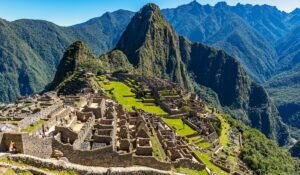
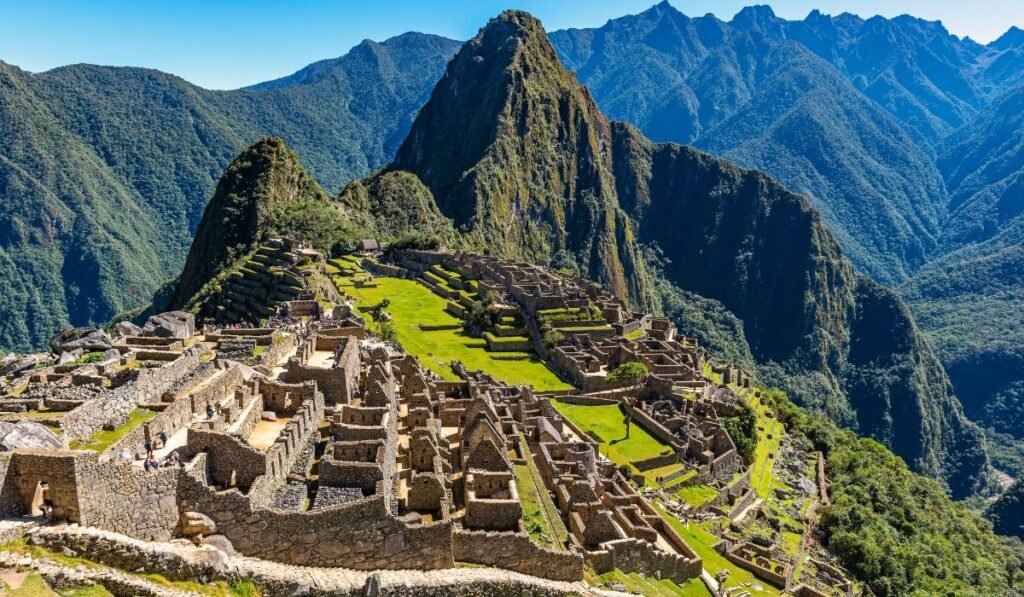
Hiking the Inca Trail to Machu Picchu is more than just another trek in Peru. The trail takes you through mountains, ancient ruins, stone pathways, cloud forests, and some of the most beautiful landscapes in the Andes before you finally reach Machu Picchu.
The Classic Inca Trail takes four days and three nights, with each day bringing a different experience. Some sections are physically demanding, especially the climb to Dead Woman’s Pass, while other parts are more relaxed and give you time to enjoy the scenery and archaeological sites.
If you are planning to hike the Inca Trail, this guide covers everything you should know before you start, including the 4-day itinerary, difficulty, altitude, permits, the best time to go, a packing list, food, and practical tips.
What Is the Inca Trail to Machu Picchu?
The Inca Trail is an ancient route through the Peruvian Andes that leads to Machu Picchu. The Classic Inca Trail usually takes four days and three nights, starting near Km 82 and finishing at Machu Picchu.
What sets this trek apart from many other hikes is its blend of nature and history. You are not simply walking through the mountains. Along the way, you pass ancient Inca ruins, stone stairways, mountain passes, and small sections of cloud forest.
The final approach is also special. Instead of arriving by train and entering through the main entrance, trekkers on the Classic Inca Trail reach the archaeological site through Inti Punku, also known as the Sun Gate.
How Long Is the Classic Inca Trail?
The Classic Inca Trail is approximately 42 km (26 miles) long, although the exact distance can vary slightly depending on the itinerary and campsite arrangements.
The trek is normally completed over four days and three nights. The highest point is Dead Woman’s Pass, which reaches around 4,200 meters (13,800 feet) above sea level.
Inca Trail at a Glance
| Information | Details |
| Trek duration | 4 days / 3 nights |
| Route | Km 82 to Machu Picchu |
| Distance | Approximately 42 km |
| Highest point | Dead Woman’s Pass |
| Highest altitude | Around 4,200 m |
| Difficulty | Moderate to challenging |
| Best season | April to October |
| Permit | Required |
| February | Usually closed for maintenance |
How Difficult Is the Inca Trail?
The Inca Trail is not an easy walk, but you do not need to be a professional mountaineer to complete it.
The biggest challenges are the altitude, long hiking days, steep stone stairs, and repeated climbs and descents. Some sections can be physically demanding, especially when you are already tired from walking for several hours.
Your fitness level matters, but your pace matters just as much. Walking too quickly can make the trek much harder than it needs to be.
Is the Inca Trail Suitable for Beginners?
Yes, beginners can hike the Inca Trail if they prepare properly.
You should be comfortable walking for several hours and prepare yourself for uphill and downhill sections before the trek. Training with stairs, hills, long walks, and a backpack can help.
The altitude is another important factor. Even if you are physically fit, you can still struggle at higher elevations if your body has not adjusted.
What Is the Hardest Day of the Inca Trail?
Day 2 is generally considered the toughest day because of the climb to Dead Woman’s Pass.
You gain a significant amount of elevation and eventually reach around 4,200 meters. The combination of steep steps, altitude, and the long climb can make this section feel difficult.
The good thing is that once you reach the pass, the hardest climb is behind you. You can stop, catch your breath, enjoy the mountain views, and then begin the descent.
4-Day Inca Trail Itinerary to Machu Picchu
The Classic Inca Trail is usually completed in four days and three nights. Every day has something different to offer, from archaeological sites and mountain passes to cloud forests and the final approach to Machu Picchu.
Day 1 – Km 82 to Wayllabamba
The first day begins at Km 82, where trekkers start their journey toward Machu Picchu.
Compared with the following days, Day 1 is generally easier. You will walk through the Sacred Valley while following the Urubamba River, with mountains surrounding you along the route.
One of the important archaeological sites you encounter is Patallacta. The ruins sit in a dramatic mountain setting and provide the first real reminder that this is not an ordinary hiking trail.
The first day is a good opportunity to find your rhythm. Do not rush because you still have three days ahead of you.
After several hours of walking, you reach the campsite at Wayllabamba.
Day 2 – Wayllabamba to Pacaymayu
Day 2 is the day most trekkers think about before starting the Inca Trail.
You begin climbing early, and the trail becomes much steeper as you approach Dead Woman’s Pass. The stone steps can feel endless, especially as the altitude increases.
Dead Woman’s Pass is the highest point on the Classic Inca Trail at approximately 4,200 meters.
Reaching the top is rewarding. Take your time, rest, drink some water, and enjoy the views before starting the descent.
The day does not end at the pass. You still have to descend toward the Pacaymayu campsite. The downhill section can be tough on your knees so trekking poles can be useful.
Day 2 is physically demanding, but completing it gives you a great sense of achievement.
Day 3 – Pacaymayu to Wiñay Wayna
Day 3 is one of the most interesting days of the trek because the scenery and archaeological sites keep changing.
You will continue climbing and descending through the mountains while passing several important Inca sites, including Runkurakay, Sayacmarca, and Phuyupatamarca.
The trail gradually moves into greener and more humid surroundings. You may notice a big difference from the high mountain landscape of the previous day as you enter the cloud forest.
You eventually reach Wiñay Wayna, one of the most impressive archaeological sites along the Inca Trail.
The stone terraces and buildings are built into the mountainside, making the location feel even more special.
After three days of walking, you are now very close to Machu Picchu.
Day 4 – Wiñay Wayna to Machu Picchu
Day 4 usually starts very early.
After breakfast, you follow the trail toward Inti Punku, the Sun Gate. This is the moment many trekkers have been waiting for since starting the journey.
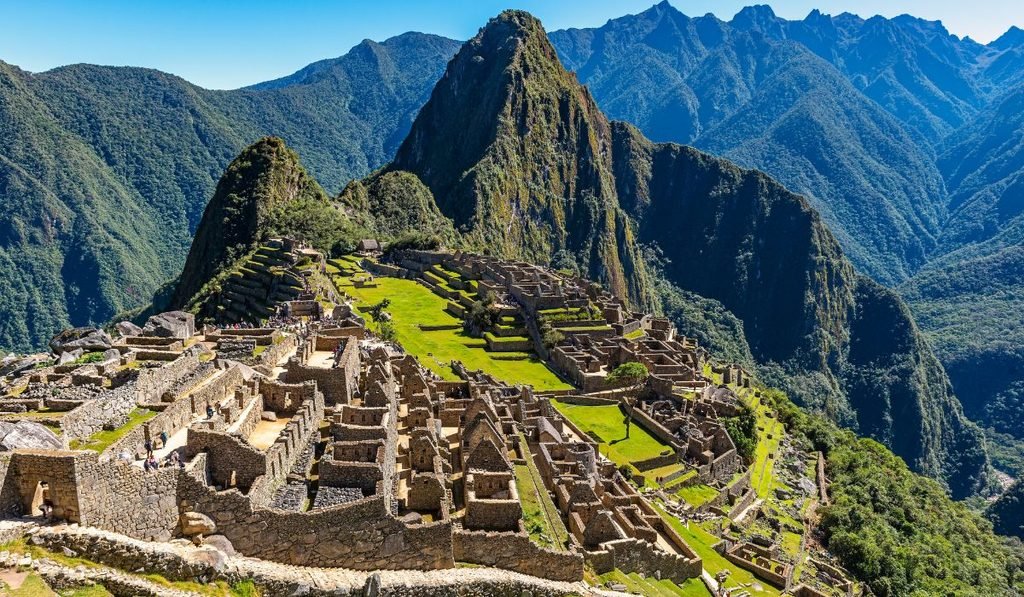
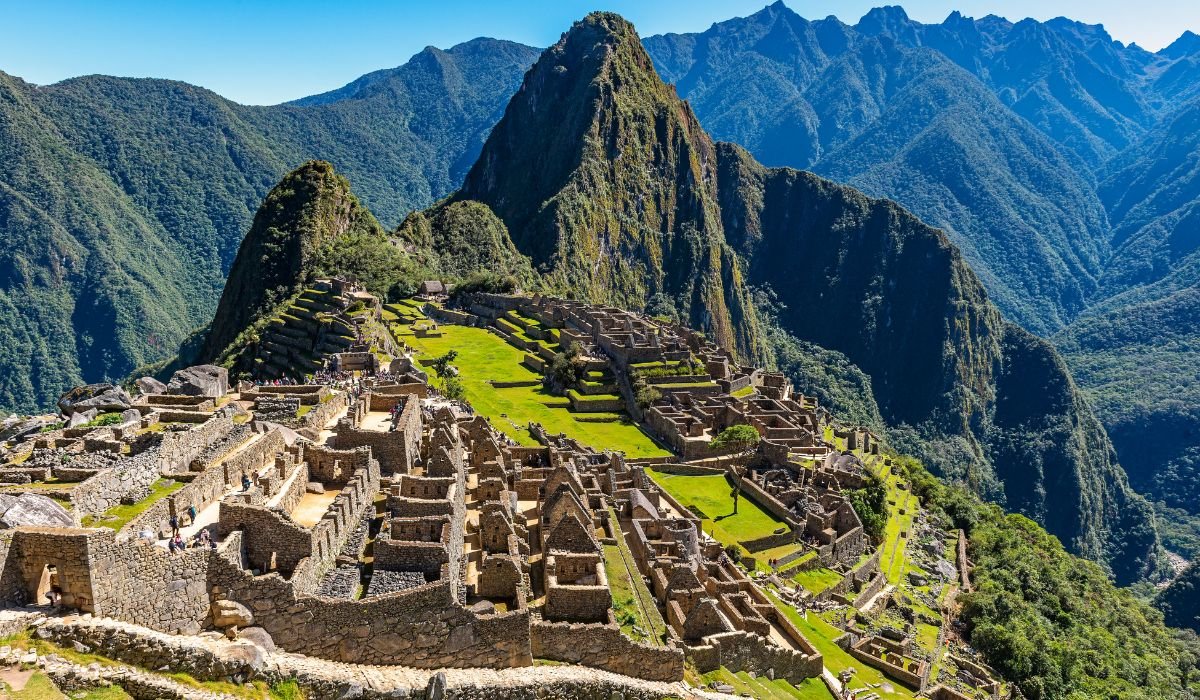
As you approach the Sun Gate, you get your first view of Machu Picchu from above.
After walking for several days through the mountains, seeing the ancient citadel for the first time can be an unforgettable experience.
From the Sun Gate, the trail continues toward Machu Picchu. You can then explore the archaeological site according to your tour itinerary before making your way toward Aguas Calientes.
The hardest part may be over, but take a moment to appreciate what you have just completed. You have walked from the mountains to Machu Picchu on an ancient route that has been used for centuries.
Best Time to Hike the Inca Trail
The best time to hike the Inca Trail depends on what kind of weather and trekking experience you prefer.
The dry season, generally from April or May through October, is the most popular period. You have a better chance of dry weather and clearer mountain views, although mornings and nights can still be cold.
The rainy season brings a higher chance of rain, which can make stone steps slippery and the trail muddy. However, the surrounding mountains and vegetation can look incredibly green during this period.
Inca Trail During the Dry Season
The dry season is popular because there is generally less rainfall and better visibility.
June, July, and August are especially busy, so permits can sell out well in advance. If you want to trek during these months, planning early is important.
Hiking the Inca Trail During the Shoulder Season
April and October can be good choices if you want to avoid some of the busiest periods.
Weather can still be unpredictable, so you should carry rain protection even if the forecast looks good.
When Is the Inca Trail Closed?
The Classic Inca Trail is normally closed during February for maintenance.
If you are planning your trip around this period, check the latest official information and your trekking operator’s schedule before booking.
Inca Trail Permits and Booking
You cannot simply arrive in Peru and decide to hike the Classic Inca Trail whenever you want.
A permit is required, and the number of trekkers allowed on the trail is limited. You also need to book through an authorized trekking operator.
Do You Need a Permit for the Inca Trail?
Yes. A permit is required to hike the Classic Inca Trail.
The limited number of permits is one reason why popular dates can sell out quickly.
How Far in Advance Should You Book the Inca Trail?
Booking several months ahead is a good idea, especially if you want to trek during the busiest season.
If your travel dates are flexible, you may have more options. If you have specific dates in mind, it is better to plan early rather than wait until you arrive in Peru.
Can You Hike the Inca Trail Without a Tour Operator?
The Classic Inca Trail is not a completely independent hiking route. Trekkers must use an authorized operator, so your permit and trekking arrangements are normally handled through the company you book with.
Inca Trail Altitude and Acclimatization
Altitude is one of the biggest things you should prepare for before hiking the Inca Trail.
Cusco itself is already at a high elevation, and the trail takes you considerably higher. Your body needs time to adjust.
What Is the Highest Point on the Inca Trail?
Dead Woman’s Pass is the highest point of the Classic Inca Trail at approximately 4,200 meters above sea level.
You may feel short of breath while climbing because there is less oxygen at this elevation.
How Many Days Should You Spend in Cusco Before the Trek?
Give yourself time to acclimatize before beginning the trek.
Spending around two or three days in Cusco before starting can help your body adjust to the altitude. You can use these days to explore the city slowly, rest, drink plenty of water, and avoid exhausting activities.
Tips for Hiking at High Altitude
Walk slowly and avoid trying to keep up with faster trekkers.
Drink enough water, take regular breaks, and tell your guide if you start feeling unwell.
Altitude sickness should never be ignored. If symptoms become serious, follow your guide’s advice and seek medical attention.
What to Pack for the Inca Trail
Packing for the Inca Trail requires some planning because you want enough gear without carrying an unnecessarily heavy backpack.
Essential Clothing
Pack clothing that you can layer because temperatures can change significantly during the day.
- Moisture-wicking base layers
- Fleece jacket
- Warm or down jacket
- Waterproof jacket
- Hiking pants
- Warm socks
- Hat and gloves
- Sun hat
Hiking Gear
Some of the most useful items include:
- Comfortable hiking boots
- Daypack
- Trekking poles
- Headlamp
- Water bottle or hydration system
- Sleeping bag
- Sunglasses
- Sunscreen
- Rain cover for your backpack
Personal Items You Should Not Forget
Keep important personal items easily accessible.
- Passport
- Personal medication
- Toiletries
- Phone and camera
- Power bank
- Small first-aid kit
- Snacks
- Cash for small expenses
What Food Do You Eat on the Inca Trail?
Food on the Inca Trail is usually prepared by the trekking team’s cooks, and meals are designed to provide enough energy for long hiking days.
Breakfast usually gives you the energy needed for the morning’s walk, while lunch and dinner provide a more substantial meal after spending hours on the trail.
Breakfast and Lunch
You can generally expect simple but filling meals suitable for trekking.
Carbohydrates, vegetables, rice, pasta, potatoes, eggs, and other energy-rich foods are commonly included depending on the trekking company.
Dinner at the Campsites
After a long day of hiking, a warm dinner can be one of the best parts of reaching camp.
You should not expect restaurant-style dining in the mountains, but the meals provided by trekking teams can be surprisingly satisfying.
Snacks and Hydration
Carry a few snacks that you enjoy and can eat easily while walking.
Energy bars, nuts, chocolate, dried fruit, and similar snacks are convenient choices.
Water is equally important, particularly at higher elevations.
Where Do You Sleep on the Inca Trail?
You will normally sleep in tents at designated campsites along the route.
Camping conditions are basic compared with staying in a hotel, and nights can become cold, particularly at higher elevations.
A good sleeping bag and warm layers can make a big difference to your comfort.
You should also be prepared for basic bathroom facilities. The Inca Trail is a wilderness trekking experience, so do not expect the same facilities you would have in a city.
Inca Trail Packing Tips: What Should You Carry Yourself?
Try to keep your daypack as light as possible.
You will need to carry essentials such as water, snacks, sunscreen, rain protection, a camera, and an extra layer.
Depending on your trekking company, porters may carry some of your heavier belongings. Ask about the luggage allowance before your trek so you know exactly what you are responsible for carrying.
A lighter backpack makes the long climbs and descents much more comfortable.
Tips for Hiking the Inca Trail
Start Training Before Your Trek
Start preparing several weeks before your trip. Long walks, stairs, hill training, and regular cardio can help you become more comfortable with long hiking days.
Take the Uphill Sections Slowly
There is no prize for reaching the top first.
Keep a steady pace and take short breaks when you need them. Slow and consistent is much better than pushing yourself too hard and becoming exhausted.
Prepare for Changing Weather
Mountain weather can change quickly.
Even during the dry season, keep a waterproof jacket or poncho in your daypack.
Keep Your Backpack Light
Only carry what you actually need during the day. Every extra item becomes more noticeable when you are climbing thousands of meters.
Bring Good Hiking Shoes
Your shoes should be comfortable and well broken in before the trek.
Avoid wearing brand-new hiking boots for the first time on the Inca Trail.
Don’t Ignore Altitude Symptoms
Feeling tired and short of breath can happen at altitude, but serious symptoms should not be ignored.
Tell your guide if you feel unwell rather than trying to push through it.
Enjoy the Ruins Along the Way
It can be tempting to focus only on reaching Machu Picchu, but don’t forget to look around.
The archaeological sites along the trail are part of what makes this trek so special.
Inca Trail vs. Other Routes to Machu Picchu
The Classic Inca Trail is not the only way to reach Machu Picchu.
Classic Inca Trail vs. Short Inca Trail
The Classic Inca Trail takes several days and involves camping in the mountains.
The Short Inca Trail is a shorter option for travelers who want to experience part of the historic route without committing to the full four-day trek.
Inca Trail vs. Salkantay Trek
The Salkantay Trek is another popular route to Machu Picchu.
It offers dramatic mountain scenery and a different trekking experience, while the Classic Inca Trail is especially attractive to travelers who want ancient archaeological sites and the traditional route through the Sun Gate.
Which Machu Picchu Trek Is Best for You?
Your choice depends on your time, fitness, budget, and what you want to experience.
Choose the Classic Inca Trail if walking an ancient route and visiting archaeological sites along the way are important to you.
A different trek may be better if you have limited time, prefer a less regulated route, or want different mountain scenery.
Is the Inca Trail Worth It?
Yes, if you enjoy hiking and want the journey to be part of the experience.
Machu Picchu itself is incredible, but reaching it after several days of walking through the Andes gives the destination a completely different feeling.
The steep climbs, tired legs, cold mornings, archaeological sites, mountain views, and moments when you wonder how much farther you have to go all become part of the story.
The Inca Trail is not the easiest way to reach Machu Picchu, but that is also what makes it memorable.
Final Thoughts on Hiking the Inca Trail to Machu Picchu
The Inca Trail is more than a route to Machu Picchu. It is a journey through the Andes where every day brings a different landscape, challenge, and experience.
You will climb steep mountain passes, walk along ancient stone paths, explore archaeological sites, sleep in tents, and eventually reach the Sun Gate with Machu Picchu in front of you.
If you are willing to challenge yourself and prepare properly, the Inca Trail can become one of those travel experiences you remember long after you have returned home.
Frequently Asked Questions About the Inca Trail
How many days does the Inca Trail take?
The Classic Inca Trail normally takes four days and three nights to reach Machu Picchu.
How difficult is the Inca Trail?
The Inca Trail is considered moderate to challenging because of the long hiking days, steep stone steps, altitude, and repeated climbs and descents.
What is the highest point on the Inca Trail?
Dead Woman’s Pass is the highest point, at approximately 4,200 meters above sea level.
Do I need a permit for the Inca Trail?
Yes. A permit is required, and the number of trekkers allowed on the Classic Inca Trail is limited.
How far in advance should I book the Inca Trail?
Booking several months ahead is recommended, particularly if you want to trek during the busiest months.
Can beginners hike the Inca Trail?
Yes. Beginners can complete the trek with proper preparation, reasonable fitness, acclimatization, and a steady pace.
What is the best month to hike the Inca Trail?
The dry season, generally from April or May through October, is the most popular time. June through August can be particularly busy.
Is the Inca Trail closed in February?
Yes. The Classic Inca Trail is normally closed in February for maintenance.