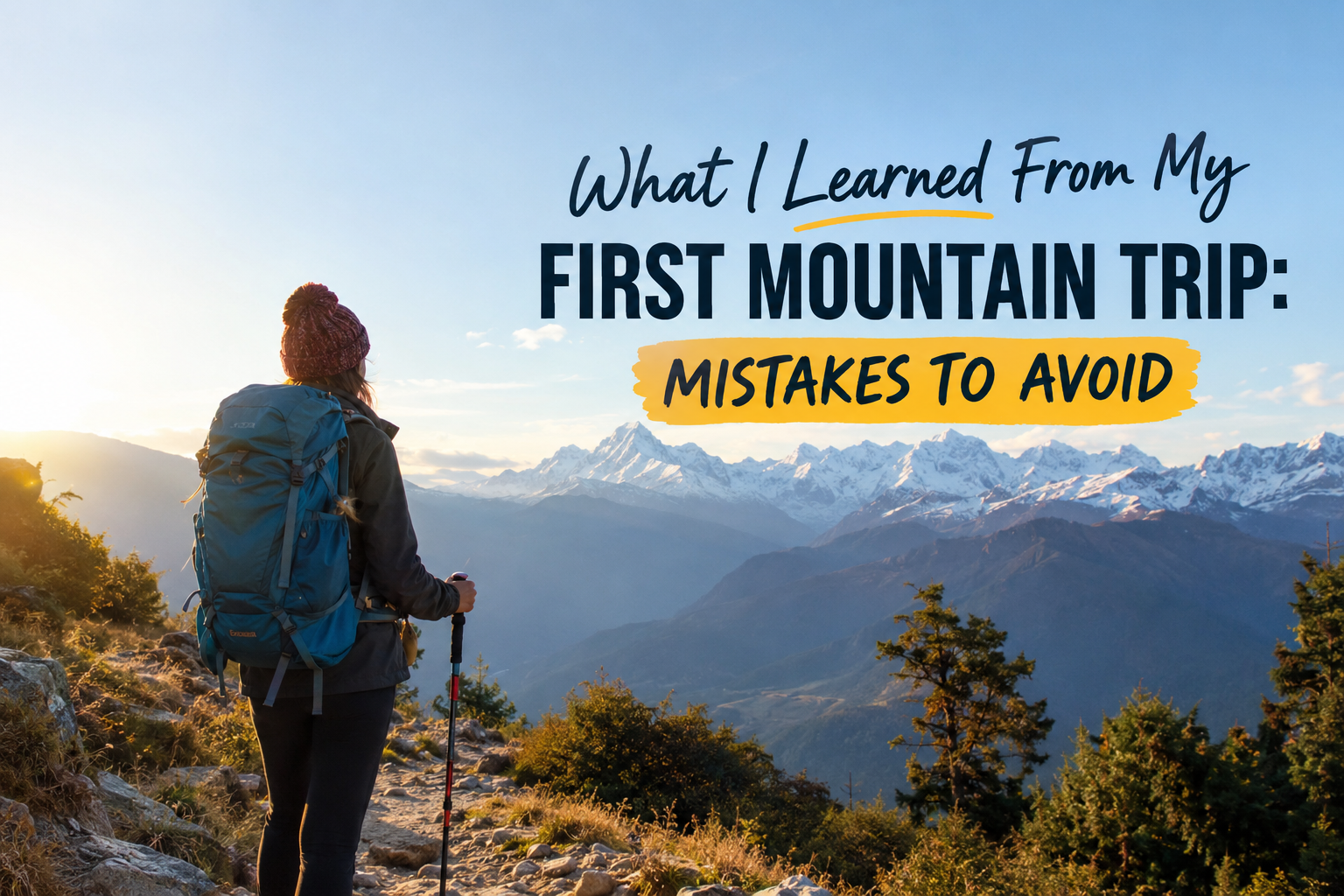
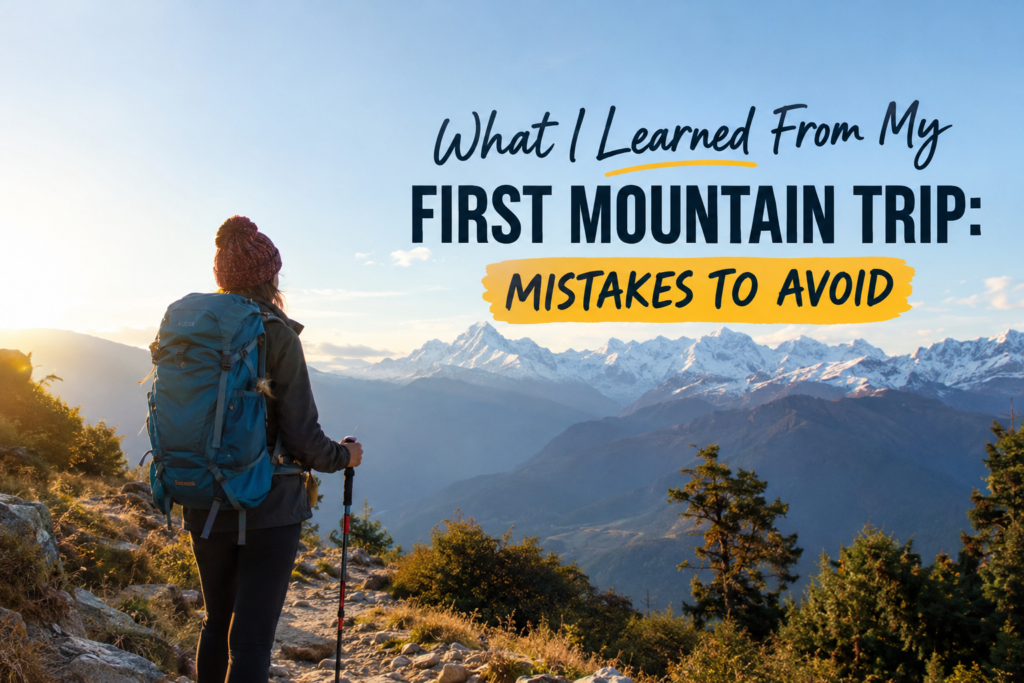
There is something special about taking your first mountain trip. The excitement of exploring a new destination, walking mountain trails, breathing fresh air, and seeing beautiful landscapes can make you want to experience it all at once. However, a mountain adventure can also teach you lessons that you may not learn from ordinary travel.
Before heading into the mountains, it is easy to underestimate how much preparation you need. A trail may look simple on a map but feel challenging when you start walking uphill. Weather can change unexpectedly, and an overloaded backpack can make even a short hike exhausting.
Looking back, I realized that a successful mountain trip is not just about reaching a viewpoint or taking beautiful photographs. It is also about preparation, patience, safety, and understanding your limits.
If you are planning your first mountain trip, these are the common hiking mistakes to avoid so you can enjoy your adventure with greater confidence.
1. Underestimating the Difficulty of Mountain Trails
One of the biggest mistakes beginners make is assuming that a mountain trail will be easy because it looks short on a map. Walking on flat roads is very different from hiking uphill over rocky paths, uneven ground, and steep slopes.
Mountain trails can be physically demanding, especially when you are not used to walking for several hours. Elevation gain, changing terrain, and carrying a backpack can make even a short hike feel challenging.
What I learned: Never judge a hiking trail by distance alone. Check its elevation gain, estimated hiking time, terrain, and difficulty level before starting your journey.
If you are planning a challenging Himalayan adventure, read my Everest Base Camp Trek: Complete Day-by-Day Itinerary to understand the daily walking schedule and preparation involved in a high-altitude trek.
For your first mountain hike, choose a beginner-friendly route and allow enough time to complete it. You do not need to conquer a difficult trail to enjoy the mountains.
2. Wearing the Wrong Hiking Shoes
Your footwear can make a significant difference to your mountain trekking experience. Wearing uncomfortable shoes or brand-new boots without testing them beforehand can lead to blisters, sore feet, and difficulty walking.
Mountain trails often include loose stones, muddy sections, steep climbs, and slippery surfaces. Ordinary shoes may not provide enough grip for every type of terrain.
What I learned: Comfortable footwear should always be a priority when preparing for a mountain trip.
Choose hiking shoes or boots that fit properly and suit your route. Wear them on shorter walks before your trip to make sure they do not rub against your feet. Pair them with moisture-wicking socks and carry blister-care supplies for longer hikes.
You do not necessarily need expensive trekking boots for every trail. The right footwear depends on the route, weather, and type of hike you plan to undertake.
If you enjoy exploring mountain trails, my guide to hiking Maroon Bells in Colorado is another resource to explore when planning a scenic hiking adventure.
3. Packing Too Much in My Backpack
When preparing for a first mountain adventure, it is easy to pack more than you actually need. You may want to carry extra clothes, unnecessary accessories, toiletries, and other items just in case.
However, every additional item adds weight to your backpack. Carrying a heavy bag uphill can make you tired more quickly and leave you with less energy to enjoy the scenery.
What I learned: Packing smart is more important than packing everything.
Before leaving, check your mountain trip packing list and remove anything you can comfortably do without. Your hiking essentials should include:
- A comfortable backpack that fits your body.
- Weather-appropriate clothing and an extra warm layer.
- A waterproof jacket or rain protection.
- Enough drinking water and energy-rich snacks.
- A basic first-aid kit and personal medication.
- Sunscreen, sunglasses, and a hat.
- A phone, offline map, and power bank.
- A headlamp or flashlight for emergencies.
For an overnight mountain trip, you may also need a sleeping bag, suitable shelter, and additional food. Your exact packing list should depend on the season, route, duration, and available facilities.
4. Ignoring Mountain Weather Conditions
Mountain weather can be unpredictable. A morning that begins with sunshine can turn cold, windy, or rainy later in the day. Conditions may also change considerably as you gain elevation.
One common mistake is checking the weather only when planning the trip and then assuming everything will remain the same.
What I learned: Always check the local mountain weather forecast before setting out, and prepare for conditions that may differ from the forecast.
Carry rain protection and warm layers even when the weather looks pleasant. Allow enough time to return before dark, and avoid exposed ridges or high viewpoints when thunderstorms or other dangerous conditions are expected.
Check local trail alerts and access restrictions before you leave. If the weather becomes unsafe, turning back is a sensible decision. There is always another opportunity to explore the mountains.
5. Walking Too Fast and Ignoring My Body
The excitement of reaching a mountain viewpoint can make beginners walk faster than they should. You may also feel tempted to keep up with experienced hikers, even when your body needs a break.
Pushing yourself too hard can leave you exhausted before the most enjoyable part of the journey. On steep trails, rushing can also increase the risk of slips and falls.
What I learned: Mountain hiking is not a race. Finding a comfortable pace is more important than reaching the destination quickly.
Walk at a speed that allows you to breathe comfortably, take regular breaks, and eat snacks when needed. Listen to your body rather than comparing your progress with other hikers.
If the route is more challenging than expected, adjust your plans. Reaching the summit is never more important than returning safely.
6. Not Carrying Enough Water and Food
Walking uphill for several hours requires energy, and it is easy to forget about eating or drinking when you are focused on the trail.
Not carrying enough water or food can make a hike much more difficult. You may experience fatigue, headaches, dizziness, or other symptoms that affect your ability to continue safely.
What I learned: Plan your water and food supplies before leaving, rather than waiting until you feel hungry or thirsty.
Carry enough water for the length of your hike, the weather, and the availability of safe refill points. Bring easy-to-carry snacks such as nuts, dried fruit, energy bars, or sandwiches.
For longer mountain treks, identify reliable water sources and bring an appropriate treatment method if necessary. Do not assume that water from a mountain stream is safe to drink without treatment.
7. Forgetting to Prepare Physically Before the Trip
You do not need to be a professional athlete to enjoy a mountain adventure. However, expecting your body to handle several hours of uphill walking without any preparation can make the experience unnecessarily difficult.
Mountain hiking uses your legs, core, and cardiovascular system. Carrying a backpack adds another challenge, particularly on steep or uneven terrain.
What I learned: A little preparation before the trip can make a big difference.
If you have several weeks before your adventure, gradually build your fitness by walking regularly, climbing stairs, hiking on local trails, and practising with a lightly loaded backpack. Increase the distance and difficulty at a comfortable pace.
Choose a route that matches your current fitness and experience. Remember that physical fitness does not protect you from altitude sickness, so high-altitude trips require additional planning and acclimatization.
8. Starting the Hike Without a Proper Plan
Spontaneous travel can be exciting, but heading into the mountains without understanding the route can create unnecessary problems.
You may underestimate the time required, miss a trail junction, discover that a route is closed, or find yourself walking after dark. Mobile phone reception may also be unreliable in remote areas.
What I learned: Even an adventurous trip needs a basic plan.
Before starting your hike:
- Research the trail and download an offline map.
- Check local trail conditions, access restrictions, and permit requirements.
- Estimate the time needed for both the ascent and return journey.
- Tell someone where you are going and when you expect to return.
- Save emergency contacts and carry a charged phone.
- Consider hiring a qualified local guide if the route is unfamiliar, remote, or technically challenging.
Keep some flexibility in your itinerary, but do not confuse flexibility with travelling without preparation.
9. Ignoring Altitude Sickness on High Mountain Trips
Altitude is one of the most important factors to consider when travelling to high mountain destinations. At higher elevations, lower oxygen availability can affect your body, even if you are generally fit.
Altitude sickness can cause symptoms such as headaches, nausea, dizziness, fatigue, and loss of appetite. Beginners sometimes mistake these symptoms for ordinary tiredness and continue climbing.
What I learned: Never ignore symptoms that develop after gaining altitude.
If you are planning a high-altitude trek in Nepal or another mountainous destination, allow time for gradual ascent and acclimatization. Follow an appropriate itinerary, understand the symptoms of altitude illness, and seek advice from a qualified healthcare professional before travelling if needed.
Do not continue ascending while experiencing symptoms of altitude sickness. If symptoms worsen despite resting, descend to a lower elevation and seek medical assistance. Confusion, loss of coordination, or breathlessness at rest are emergency warning signs.
10. Focusing on the Destination Instead of Enjoying the Journey
It is natural to look forward to the final viewpoint, mountain summit, or perfect photograph. However, focusing only on the destination can make you overlook the smaller moments that make a mountain trip special.
The changing scenery, quiet trails, conversations with fellow travellers, and time spent surrounded by nature are all part of the experience.
What I learned: You do not have to rush through a mountain trip to make it worthwhile.
Take breaks to appreciate the landscape, capture photographs when it is safe to do so, and enjoy the journey at your own pace. Respect local communities, follow marked trails, and take your rubbish back with you.
Some of the best travel memories come from moments that were never part of the original plan.
What Should You Pack for Your First Mountain Trip?
Packing the right mountain hiking essentials helps you stay comfortable and prepared for unexpected situations. Your gear will depend on the destination, season, trail difficulty, and whether you are travelling for a day or staying overnight.
Here is a simple mountain trip packing checklist for beginners:
- Clothing: Moisture-wicking base layers, comfortable hiking trousers, a warm layer, and waterproof outerwear.
- Footwear: Well-fitting hiking shoes or boots with suitable traction.
- Hydration: Reusable water bottles or a hydration reservoir, plus water treatment supplies where needed.
- Food: Snacks and enough food for your planned hike, with extra supplies for delays.
- Safety essentials: First-aid kit, personal medication, headlamp, whistle, and emergency shelter appropriate to the route.
- Navigation: Offline maps, a phone, a power bank, and a paper map or compass when appropriate.
- Sun protection: Sunscreen, sunglasses, and a hat.
- Personal items: Identification, necessary permits, cash, and emergency contact information.
For a multi-day trek, add suitable sleeping equipment, extra clothing, and other items required by the route. Avoid buying unnecessary gear before understanding what your particular mountain trip requires.
Is a Mountain Trip Suitable for Beginners?
Yes, mountain travel can be a rewarding experience for beginners when the route matches their abilities and the trip is planned carefully.
You do not have to begin with a difficult trek or a high-altitude destination. Start with a shorter hike, learn how to use your gear, and gradually explore more challenging trails as your confidence and experience grow.
If you are travelling in Nepal, research lower-elevation hikes before planning demanding Himalayan treks. Always check the current trail conditions, weather, local guidance, and any permit requirements before setting out.
The goal of your first mountain trip should not be to prove how far you can walk. It should be to discover what you enjoy, learn from the experience, and build the confidence to explore more destinations in the future.
Final Thoughts: Every Mountain Trip Teaches You Something
My biggest takeaway from a first mountain trip is that preparation and patience can make an adventure much more enjoyable. The right shoes, a manageable backpack, suitable clothing, enough water, and a realistic hiking plan may seem like small details, but they can make a real difference on the trail.
You will not know everything before your first hike, and that is perfectly normal. What matters is being willing to learn, respect the mountains, and make sensible decisions when conditions change.
If you are dreaming about your first mountain adventure, do not let the fear of making mistakes stop you from starting. Choose a suitable trail, prepare well, and give yourself the freedom to learn along the way.
The mountains are not just about reaching the top. They are about the experiences, lessons, and memories you carry home with you.