
Patagonia is the kind of place that makes you want to lace up your hiking boots and head straight into the mountains. In southern Chile, the W Trek in Torres del Paine takes you through dramatic mountain valleys, beside turquoise lakes, and toward some of the most spectacular landscapes in South America. It is a bucket-list adventure for hikers who want to experience Patagonia on foot.
If you are planning the W Trek from the USA, there are a few important things to understand before booking your flights. You need to plan your route, reserve accommodation, purchase your national park ticket, and prepare for Patagonia’s famously changeable weather. The good news is that with careful planning, you can organize a trek that suits your schedule, experience, and budget.
As Martha, the traveller behind Paradox Traveller, I believe preparation is one of the best ways to enjoy an adventure with confidence. This guide explains how to plan the W Trek, what it may cost, where to stay, what to pack, and what solo female hikers should know before setting out.
W Trek Torres del Paine: Quick Facts
| Trek detail | What to know |
|---|---|
| Country | Chile |
| Region | Patagonia |
| National park | Torres del Paine National Park |
| Common trek duration | 4–5 days, depending on your route and pace |
| Approximate route distance | Around 70 km (43.5 miles); the exact distance varies by itinerary |
| Main highlights | Base Torres, French Valley, Grey Glacier |
| Starting point for most travellers | Puerto Natales |
| Closest major international gateway | Punta Arenas, Chile, with onward ground transport |
| Accommodation | Mountain refugios, campsites, or a combination |
| Difficulty | Moderate to challenging, depending on route, weather, and fitness |
| Advance planning | Reserve accommodation and park entry before travelling |
| Best planning advice | Check current park rules, trail access, weather, and guide requirements before departure |
Important: Trail access, accommodation availability, prices, and safety requirements can change. Check official information for your travel dates before making non-refundable bookings.
What Is the W Trek in Torres del Paine?
The W Trek is a multi-day hiking route through Torres del Paine National Park in Chilean Patagonia. It gets its name from the W-shaped route formed by its main valleys. Along the way, hikers can visit three famous areas: the Base Torres viewpoint, the French Valley, and Grey Glacier.
Unlike a day hike, the W Trek involves walking between different parts of the park over several days. You can stay in mountain refugios, camp at designated sites, or combine accommodation styles, depending on what is available and what you book.
The route is popular with international hikers because it offers a chance to experience Patagonia’s mountains, glaciers, lakes, and open landscapes without committing to the longer Paine Circuit. However, it is still a serious multi-day trek. You need to plan your daily distances, accommodation, food, transport, and weather contingencies.
You can also explore more adventures on the Paradox Traveller trekking guides page.
Highlights You Should Not Miss
Base Torres: One of the park’s most famous viewpoints, with towering granite peaks rising above a glacial lake. The final climb is steep and rocky, so take your time and follow the marked trail.
French Valley: A dramatic valley surrounded by steep mountain slopes and rugged peaks. Depending on your route, weather, and trail conditions, you may be able to hike farther into the valley for more expansive views.
Grey Glacier: A vast glacier that forms part of the Southern Patagonian Ice Field. The views from the Grey area are a major reason many hikers choose an itinerary that includes the western side of the W.
You may not experience every highlight in perfect weather. Patagonia can change quickly, and clouds, wind, or rain can affect visibility. The landscape is still worth appreciating, even when the conditions are not ideal.
How Difficult Is the W Trek?
The W Trek is generally considered a moderate-to-challenging multi-day hike. You do not necessarily need technical climbing experience for the standard walking route, but you should be comfortable spending several hours on your feet on consecutive days.
Some sections are relatively gentle, while others involve steep climbs, rocky paths, exposed terrain, or long distances. The final approach to the Base Torres viewpoint is particularly demanding for many hikers.
The challenge is not just the trail. You may also have to deal with strong winds, rain, sudden temperature changes, and a backpack that feels heavier after several hours of walking.
Before your trip, prepare by:
- Walking regularly on hills or uneven trails.
- Building up your stamina with longer hikes.
- Training with the backpack and footwear you intend to use.
- Practising with the clothing layers you will take.
- Allowing enough time for rest, meals, and slower trail conditions.
You do not need to be the fastest hiker on the trail. A steady pace, realistic daily distances, and enough time to rest can make the experience more enjoyable.
If this is your first major mountain adventure, read my guide to mistakes to avoid on your first mountain trip. It can help you think through preparation before taking on a multi-day hike.
Best Time to Do the W Trek in Patagonia
The best time to hike the W Trek depends on the weather, daylight, trail conditions, available accommodation, and your personal preferences. The main hiking season generally falls during the warmer months in the Southern Hemisphere, but conditions can still be unpredictable.
October and November: Spring
Spring brings longer daylight hours and landscapes beginning to come alive after winter. It can be a beautiful time to visit, but temperatures can be cold, winds can be strong, and some services or facilities may operate on seasonal schedules.
Check the opening dates of every campsite, refugio, and transport service you plan to use.
December to February: Summer
Summer is a popular period for hiking in Torres del Paine. Days are longer, and more visitors travel to Patagonia during this time.
The trade-off is higher demand for accommodation and transport. If you are planning a summer trek, reserve your overnight stays well in advance. Do not assume you can arrive at the park and find a place to sleep.
Summer does not guarantee calm weather. Strong winds and rain can still affect your plans, so pack suitable waterproof and wind-resistant clothing.
March and April: Autumn
Autumn can bring beautiful colours and a quieter atmosphere as the main summer rush eases. However, daylight hours become shorter, temperatures drop, and some facilities may begin closing for the season.
Confirm that your chosen route and accommodation are operating on your dates. Late-season hiking requires particular attention to weather forecasts and current park restrictions.
Which Month Should You Choose?
For many first-time visitors, the summer months can be easier to plan around because of longer daylight hours and broader seasonal services. However, the best dates are the ones that match your fitness, budget, available accommodation, and tolerance for changing weather.
Check the official park and accommodation information before finalizing your dates. Special access or guide requirements may apply during periods of severe weather or other safety restrictions. Never assume that a route is open for independent hiking simply because it is normally popular.
How to Get to Torres del Paine From the USA
Travelling from the United States to Patagonia takes planning because the park is in a remote part of southern Chile. Most hikers travel through a major Chilean airport before continuing south by air or ground transport.
Step 1: Fly to Chile
Start by comparing flights from your US departure city to Santiago, Chile. Depending on your route, you may need to connect before continuing to the far south.
Flight schedules vary by season, so compare the full journey rather than looking only at the international flight price.
Step 2: Continue to Punta Arenas or Puerto Natales
Punta Arenas is a common regional gateway for travellers heading toward Torres del Paine. Puerto Natales is the main town many hikers use as a base before entering the park.
Depending on your flights, you may be able to travel onward to Puerto Natales directly or take ground transport from Punta Arenas. Confirm current schedules before booking connections.
Step 3: Stay in Puerto Natales Before the Trek
If your schedule allows, spend a night in Puerto Natales before starting the W Trek. This gives you time to organize food, check your equipment, confirm transport, and review the latest park notices.
Avoid planning a tight connection between an international flight and the beginning of your trek. A delayed flight could cause you to miss transport or an accommodation check-in.
Step 4: Travel to the Park Entrance
Buses and other transport services connect Puerto Natales with Torres del Paine National Park. Your exact arrival point depends on the route and accommodation you have booked.
Check whether your transport drops you at the entrance, a transfer point, or another sector of the park. If your itinerary includes a catamaran crossing or another connection, confirm its operating times as well.
Planning tip: Keep your park ticket, accommodation confirmations, transport details, identification, and emergency contact information accessible offline. Mobile coverage may be limited in parts of Patagonia.
How to Book the W Trek in Torres del Paine
Booking is one of the most important parts of planning this trek. Accommodation inside the park is limited, and the overnight reservations for a multi-day route must fit together with your hiking itinerary.
You should arrange your accommodation and transport before committing to flights that cannot easily be changed.
Step 1: Choose Your Trekking Dates and Direction
Decide how many days you can spend hiking and whether you want a four-day or five-day itinerary. Then work out which sector you will start from and where you plan to finish.
Your route should match the accommodation you can actually reserve. Do not create an itinerary first and assume every campsite or refugio will have space.
Step 2: Reserve Your Overnight Accommodation
The two main accommodation operators associated with the W Trek are:
- Las Torres Patagonia: Official website and circuit reservations
- Vértice Patagonia: Official online booking page
They manage different accommodation areas, so you may need to book through more than one operator to complete your route. Check each operator’s map, available dates, inclusions, cancellation terms, and check-in requirements.
For a multi-day trek, the park requires appropriate reservations at authorized overnight facilities. Do not plan to sleep wherever you find space or assume that a park entrance ticket is enough to access every trekking sector.
Step 3: Purchase Your Park Ticket
Purchase your park admission through the official Pases Parques website. The official park guidance has stated that admission should be purchased at least 24 hours before entry. Confirm the current rule before travel in case the policy changes.
Your park ticket and overnight accommodation reservations are separate things. Having one does not automatically replace the other.
Step 4: Confirm Current Trail and Guide Requirements
Before departure, review official park notices for closures, weather-related restrictions, and any requirement to hike with an authorized guide. These rules can change, especially when conditions become dangerous.
At the time of writing, official tourism guidance has reported special guide requirements during a period of severe-weather safety measures. Verify whether any such restriction applies to your exact travel dates. Do not rely on older blogs or assume that independent hiking is permitted throughout every season.
Step 5: Arrange Transport and Meals
Once your overnight reservations are confirmed, arrange your bus transfers and any necessary boat connections. Check whether your accommodation includes meals, bedding, cooking facilities, or camping equipment.
Some packages bundle several services together, while others charge for them separately. Read the inclusions carefully so you do not accidentally budget twice for the same service or overlook an essential expense.
How Much Does It Cost to Book?
Prices depend on the season, accommodation type, meal plan, transport, and package inclusions.
As one example, Vértice Patagonia has advertised a W Trek Essentials package starting at US$509. Its listed inclusions have included bus transport to and from the park, the park entrance fee, a Pehoé catamaran crossing, and equipped camping accommodation in the Paine Grande and Grey areas. Availability, prices, and inclusions can change, and this package should not be treated as the total cost of every W Trek itinerary.
Check the current package details directly on Vértice Patagonia’s booking website and compare them with the reservations you need for your own route.
W Trek Itinerary: 4 Days or 5 Days
There is no single itinerary that works for every hiker. The route you can complete depends on the direction you travel, the overnight reservations available, transport connections, weather, and the amount of time you have.
The following are planning examples, not guaranteed schedules. Use the official route maps and your confirmed accommodation bookings to build a day-by-day plan that works.
Four-Day W Trek Itinerary
A four-day plan is more compact and can mean longer hiking days. It may be suitable for fit hikers who are comfortable with sustained walking and have secured accommodation that supports the route.
Day 1: Enter the Park and Hike Toward Grey
Travel from Puerto Natales to the park and continue to the starting sector shown in your reservations. Depending on your booked route and transport, you may hike toward the Grey area on your first day.
Allow enough time for transfers, registration, and checking in. Do not assume that you can begin hiking immediately after arriving at the park.
Day 2: Grey Glacier Area to Paine Grande
Enjoy the views around Grey if time and conditions allow, then hike toward Paine Grande according to your confirmed itinerary.
Check the walking distance and any boat or transport connections before setting off. Wind and rain can make the trail feel more demanding than expected.
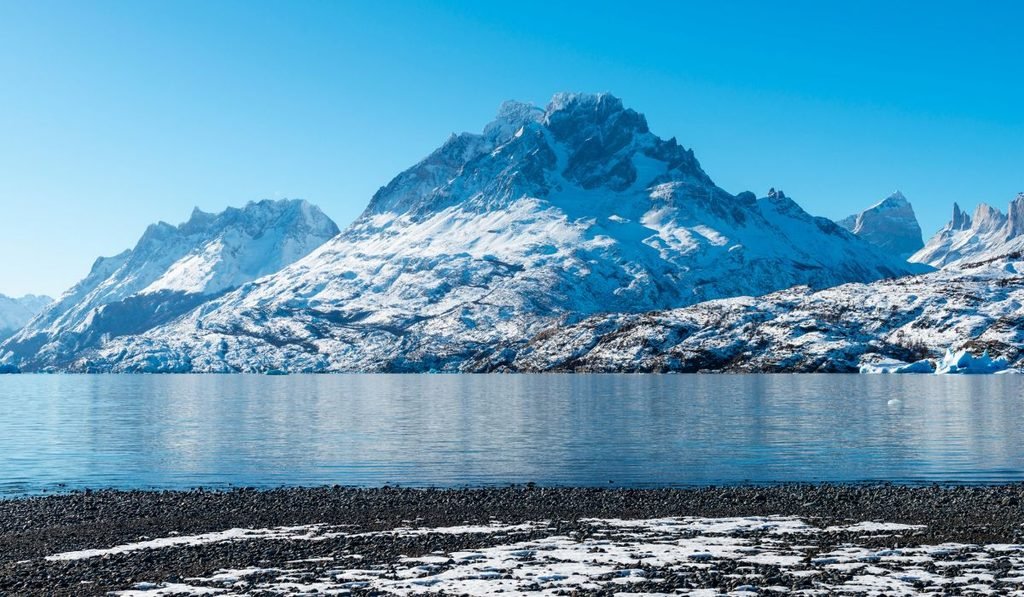
Day 3: French Valley
Use this day to explore the French Valley if your route and current trail access allow it. The valley offers some of the most impressive mountain scenery in the park.
Your exact turnaround point should depend on the weather, your pace, trail conditions, and any official restrictions. Return to the overnight accommodation you have reserved.
Day 4: Finish Your Route
Complete the remaining section of your booked itinerary and connect with the transport needed to leave the park.
Do not schedule your final hike so tightly that a slower pace or a transport delay leaves you stranded. Confirm the final bus or boat departure times in advance.
Important: This four-day outline is not a substitute for a route-specific itinerary. A four-day plan may not include every major highlight comfortably, and you should only book it after confirming that all overnight stays and connections line up.
Five-Day W Trek Itinerary
Five days can provide more flexibility than a compressed four-day plan. It still requires careful coordination of overnight reservations and transport.
Day 1: Travel to the Park and Settle In
Travel from Puerto Natales to Torres del Paine and reach the first accommodation sector on your booked route. Depending on your arrival time, you may have an opportunity for a short walk, but keep the first day flexible.
Use the evening to check your equipment, prepare your snacks, and review the next day’s weather and route.
Day 2: Hike to the Base Torres Viewpoint
If your reservations support an east-to-west itinerary, dedicate this day to the Base Torres hike. The trail includes a sustained climb and a steep, rocky final section, so start early enough to walk at a safe pace.
Weather can affect the view at the top. If conditions are unsafe, follow park guidance rather than feeling that you must reach the viewpoint.
Day 3: Hike Toward the French Valley Sector
Continue along the route supported by your overnight reservations. This section may take you through beautiful lakeside scenery and toward the French Valley area.
Check the distance between your booked accommodations and the time needed for any side hike before deciding how far to go into the valley.
Day 4: Continue Toward Paine Grande and Grey
Depending on your direction and reservations, this day may involve walking toward Paine Grande and continuing into the Grey area, or completing the relevant sections in the opposite order.
Confirm the route on an official map before departure. Do not rely on a generic itinerary to determine which campsite or refugio you should reach that night.
Day 5: Finish the Hike and Leave the Park
Complete the final section of your booked route, then use your confirmed transport connections to leave the park.
Build in a buffer if you have a flight or long-distance bus to catch. Weather and transport schedules can disrupt even a well-planned day.
My advice: Before publishing or following a specific itinerary, match every day’s start point, finish point, distance, and accommodation against the current official map and your actual reservations. A five-day W Trek can be organized in different directions, so the route above is a framework rather than a promise that every combination will work.
Where to Stay on the W Trek: Refugios vs. Camping
You have two main types of overnight accommodation to consider: mountain refugios and campsites. The right choice depends on your budget, how much gear you want to carry, and what is available for your dates.
Staying in a Refugio
A refugio is a mountain lodge or hostel-style accommodation. Depending on the facility and booking option, you may be able to reserve a bed in a shared room or choose a package that includes meals.
Advantages:
- You may not need to carry a tent or sleeping mat.
- Some booking options include meals.
- It can be more comfortable after a long day on the trail.
- It may reduce the amount of camping equipment you need to pack.
Things to consider:
- Beds can be limited, especially during the busiest months.
- Shared rooms may offer less privacy.
- Meal plans and bedding inclusions vary.
- Prices may be higher than camping.
Always check exactly what your reservation includes. Do not assume every refugio provides the same facilities or services.
Camping in Torres del Paine
Camping can be a good option if you prefer spending the night outdoors or want to manage your costs more carefully.
Depending on the campsite and booking package, you may need to bring your own equipment or reserve an equipped camping option. Facilities and services vary by location.
Advantages:
- It can offer a more outdoors-focused experience.
- Some camping options cost less than refugios.
- You may have more flexibility in how you organize your gear and meals.
Things to consider:
- You need suitable equipment for cold, wind, and rain.
- Carrying a tent and sleeping system adds weight unless you book an equipped site.
- Campsites must be reserved where required.
- You should be comfortable setting up and using your equipment in poor weather.
Which Option Is Better for a Solo Female Traveller?
Neither option is automatically best for everyone. If you are travelling alone and prefer a simpler setup, a refugio or equipped campsite may help you reduce the amount of gear you need to carry.
If you choose shared accommodation, read the room arrangements and facilities information before booking. If you camp, make sure you have the equipment and skills needed for Patagonia’s conditions.
Choose the option that makes you feel prepared, comfortable, and confident rather than choosing only by price.
W Trek Cost: What Should Americans Budget?
The total cost of the W Trek depends on your flights, travel dates, accommodation, meals, transport, equipment, and the route you choose. Prices can change from season to season, so it is better to build a budget from current quotes than to rely on a fixed number from an older travel blog.
| Expense | What to include in your budget |
|---|---|
| International flights | Return flights from the USA to Chile |
| Regional transport | Flights or ground transport to the Patagonia region |
| Puerto Natales stay | Accommodation before and, if needed, after the trek |
| Park admission | Current Torres del Paine entry ticket |
| Overnight stays | Refugios, campsites, or a combination |
| Meals | Meal plans, restaurant meals before the trek, and trail food |
| Park transport | Buses, transfers, and any necessary boat connections |
| Equipment | Hiking boots, rainwear, backpack, sleeping system, and other gear |
| Travel insurance | Cover appropriate for your activities and destination |
| Emergency buffer | Money for unexpected transport, extra nights, or changed plans |
How to Keep Your Costs Under Control?
Book early. Accommodation availability can determine your entire itinerary. Early planning gives you more options to compare.
Compare complete packages. A package that includes transport, admission, and accommodation may be convenient, but compare its inclusions with the cost of booking each service separately.
Check meal arrangements. Food costs can add up over several days. Find out whether meals are included and whether you can safely carry snacks and other food for the trail.
Use your existing gear when appropriate. You may not need to buy a new wardrobe for one trek, but do not compromise on essential footwear, waterproof layers, or equipment suitable for the conditions.
Keep an emergency reserve. Patagonia is remote, and changes to weather or transport can lead to unexpected expenses.
For a current example of a bundled option, review the package information on Vértice Patagonia’s official booking page. Confirm the price, dates, and inclusions before using it in your own budget.
What to Pack for the W Trek?
Packing for Patagonia is about being ready for changing conditions rather than preparing for one type of weather. You may start a day in sunshine and later encounter cold wind or rain.
Use this checklist as a starting point and adjust it for your booked accommodation and the forecast.
Clothing
- Waterproof and wind-resistant jacket.
- Warm mid-layer, such as a fleece.
- Base layers that manage moisture.
- Hiking trousers suitable for changing conditions.
- Thermal layers for cold mornings and evenings.
- Warm hat and gloves.
- Comfortable hiking socks.
- Spare clothing kept dry in a waterproof bag.
- Sun hat or cap.
Hiking Equipment
- Broken-in hiking boots or suitable hiking shoes.
- Comfortable backpack with a supportive hip belt.
- Backpack rain cover or waterproof pack liner.
- Reusable water bottle or hydration system.
- Headlamp with spare batteries or a charged backup.
- Trekking poles if you find them useful.
- Offline map or downloaded route information.
- Power bank and charging cable.
Food and Personal Items
- Trail snacks and any food not included in your accommodation.
- Personal medication and a basic first-aid kit.
- Sunscreen and lip protection.
- Sunglasses.
- Toiletries and quick-drying towel if needed.
- Identification, reservation confirmations, and park ticket.
- Payment cards and a backup payment method.
If You Are Camping
Check whether your campsite reservation includes a tent, sleeping bag, sleeping mat, or other equipment. If it does not, you will need to bring or rent suitable gear.
Do not assume that every campsite has the same services. Confirm cooking arrangements, food availability, and equipment rules before departure.
Safety Tips for the W Trek
A well-planned trek is not just about reaching the viewpoints. It is also about knowing when to slow down, change plans, or turn back.
Check the Weather Every Day
Patagonia’s weather can change quickly, and strong winds may make exposed sections difficult or dangerous. Check current forecasts and park notices before setting out, and follow instructions from park staff.
If conditions deteriorate, do not take unnecessary risks just to stay on schedule.
Follow Marked Trails
Stay on the designated route and obey closures or other instructions. Do not enter restricted areas or try to bypass a closure because another hiker says it is safe.
Start With Enough Time
Calculate your walking time realistically and leave room for breaks, photos, meals, and changing conditions. If your route involves a boat or bus connection, check the departure time and plan your day around it.
Carry Essentials Even on Shorter Sections
Take water, food, suitable clothing, a map, a charged phone, and basic emergency supplies. A short stretch can become more demanding if the weather changes or you need longer than expected.
Tell Someone About Your Plan
Share your itinerary with a trusted person and let them know when you expect to finish. Follow the park’s check-in, registration, and safety instructions.
Choose Travel Insurance Carefully
Before leaving the USA, check whether your policy covers multi-day trekking in Chile, the altitude and activities involved, medical treatment, and emergency evacuation. Read the exclusions rather than assuming every adventure activity is covered.
Solo Female Travel on the W Trek: What You Should Know
Travelling solo can be a rewarding way to explore a new destination, but a remote multi-day trek requires preparation. Being independent does not mean you have to do everything alone or continue when conditions feel unsafe.
Here are some practical tips for women planning the W Trek alone.
Book your overnight stays before arriving: Knowing where you will sleep each night makes the trip easier to manage and avoids unnecessary uncertainty.
Consider your comfort with shared accommodation: Refugios and shared facilities may suit you well, but check the room setup and amenities before booking.
Keep your phone and documents protected: Save important information offline, keep your identification secure, and carry a backup payment method.
Speak with park staff when you need help: Ask about current conditions, route closures, and any guide requirements. Follow official advice even if it means changing your plans.
Do not feel pressured to keep up with other hikers: Walk at a pace that feels manageable, take breaks, and turn back if the conditions or your physical state make continuing unsafe.
Have a plan for delays: Keep some extra money and time available in case weather or transport changes your itinerary.
You can meet other hikers along the route, but you should not depend on strangers to provide your safety plan. Make decisions based on your own preparation and the information available from official sources.
My Experience and Advice as a Solo Female Traveller
I believe that some of the most rewarding adventures begin when we step outside our comfort zones. Planning a trek in a remote place like Patagonia can feel overwhelming at first, especially when you are coordinating flights, accommodation, transport, and changing mountain conditions.
My biggest piece of advice is to prepare well without letting the planning process take away your excitement. Break the trip into manageable steps: choose your dates, confirm your overnight stays, check the park’s rules, arrange transport, and pack for the weather you may encounter. Once the essentials are organized, you can focus on enjoying the landscape instead of worrying about every detail.
As a solo female traveller, I would also put comfort and safety ahead of trying to prove how much I can do in one day. There is no need to rush through a trail, copy another hiker’s pace, or continue when the weather becomes unsafe. A good adventure is not only about reaching a viewpoint; it is about making sensible decisions along the way and returning with memories you can look back on happily.
The W Trek is the kind of journey that rewards patience and flexibility. The mountains, glaciers, lakes, and wide-open landscapes are the main attraction, but the experience is also a reminder that preparation helps make big travel goals feel more achievable.
Frequently Asked Questions About the W Trek
1. How many days do you need for the W Trek?
Many hikers plan four or five days, but the ideal duration depends on your pace, the direction you choose, your accommodation bookings, and the side hikes you want to complete. Allow extra time if you prefer shorter walking days or want flexibility for bad weather.
2. Is the W Trek suitable for beginners?
It may be manageable for a physically prepared beginner, has suitable hiking experience, and plans a realistic itinerary. However, it is not an easy walk. Long distances, steep sections, strong winds, and changing weather can make the trek demanding.
First-time multi-day hikers should train beforehand and consider whether a guided option would be appropriate.
3. Can I hike the W Trek alone?
Whether you can hike independently depends on the current park rules and conditions on your travel dates. Official guidance has included temporary restrictions requiring authorized guides during periods of severe weather. Check the latest requirements before deciding to hike solo.
Even where independent hiking is permitted, you should reserve accommodation, carry appropriate equipment, follow marked trails, and share your itinerary with someone you trust.
4. Do I need to book accommodation in advance?
Yes. Overnight accommodation reservations are essential for planning the W Trek, and the park requires reservations at authorized facilities for the multi-day mountain routes. Popular dates can sell out well in advance.
Check both the accommodation operators and the park’s official instructions before purchasing flights.
5. Is camping cheaper than staying in a refugio?
Camping can be less expensive, but the final cost depends on the campsite, equipment, and meals. If you need to rent or carry camping equipment, the savings may be smaller than expected.
Compare the full cost of each option, including food, bedding, transport, and equipment rental.
6. What is the best month to hike the W Trek?
The warmer hiking season, especially the summer months, is popular because daylight is longer and more services may be operating. However, summer can also bring higher demand for accommodation, and the weather remains unpredictable.
Choose dates based on current operating schedules, available reservations, weather conditions, and your own preferences.
7. How much does the W Trek cost from the USA?
There is no single total because international flights, regional transport, accommodation, food, equipment, and insurance vary widely. Build a budget using current prices for your exact dates rather than relying on an old estimate.
Check package inclusions carefully so that park admission, transport, and accommodation are not accidentally counted twice—or left out.
8. Do I need a guide for the W Trek?
Guide requirements can change with park rules, weather conditions, and temporary safety measures. Check the official park and tourism guidance for your travel dates before booking a self-guided trip.
If you are inexperienced with multi-day hiking or would feel more confident with local support, a qualified guide may also be worth considering even when independent hiking is permitted.
Final Thoughts: Is the W Trek Worth Planning?
The W Trek in Torres del Paine is an unforgettable-looking adventure for hikers who want to explore the mountains and glaciers of Chilean Patagonia. With the right preparation, you can plan a route that matches your fitness, budget, and available time.
The most important steps are to confirm your itinerary, reserve every overnight stay, purchase your park ticket, arrange transport, and check current trail and guide requirements. Pack for unpredictable weather and leave enough flexibility in your schedule to respond safely if conditions change.
If you are dreaming of a bigger hiking adventure, take the time to plan it properly. You do not need to be the fastest or most experienced hiker on the trail to enjoy a meaningful journey—you need to understand the challenge, prepare for it, and make responsible decisions along the way.
Explore more hiking and trekking inspiration on Paradox Traveller, including my guides to the Mount Kilimanjaro Trek and the Inca Trail to Machu Picchu.
Before you go: Recheck official park rules, trail access, accommodation, prices, transport schedules, and any guide requirements for your exact travel dates. Conditions and regulations can change between seasons.