Vietnam is a wonderful destination for travelers who want to spend more time outdoors. From the green rice terraces of the north to limestone mountains, underground caves, tropical forests, and beautiful beaches, the country offers a remarkable range of natural landscapes.
If you are planning a trip and searching for the best places to visit in Vietnam, you will find plenty of options beyond the busy cities. You can hike through mountain villages in Sapa, take a boat ride through the limestone scenery of Ninh Binh, explore enormous caves in Phong Nha, or relax on the beaches of Phu Quoc.
At Paradox Traveller, I share travel inspiration and practical guides to help you discover new destinations, explore the outdoors, and plan your next adventure. In this guide, I’m sharing some of the most beautiful nature destinations in Vietnam, along with the best things to do in each place.
1. Sapa – Explore Mountain Landscapes and Rice Terraces
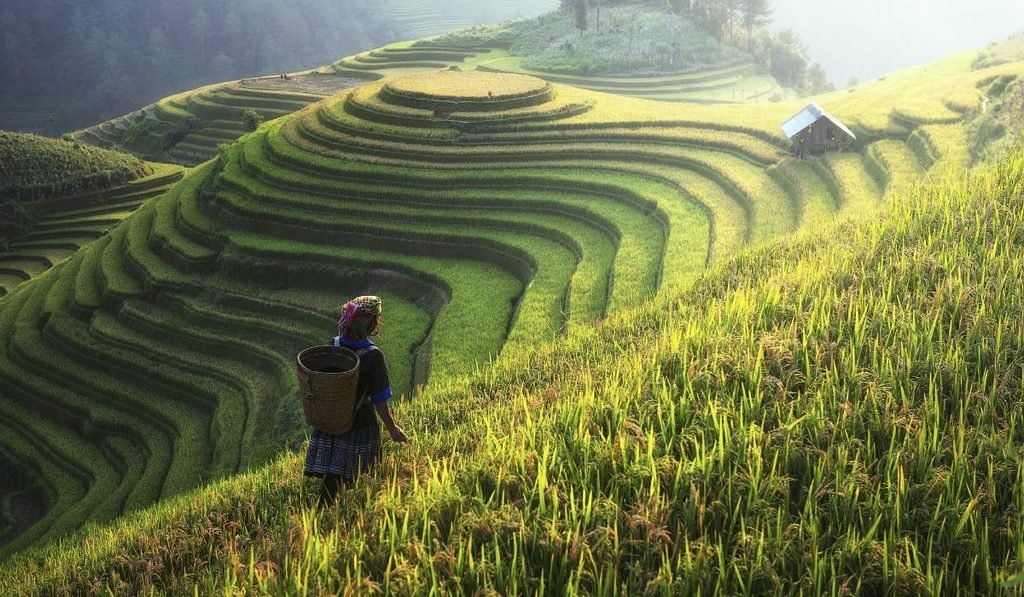
Sapa is one of the most beautiful mountain destinations in northern Vietnam. Surrounded by the Hoang Lien Son mountain range, this town is known for its terraced rice fields, misty valleys, traditional villages, and impressive mountain views.
If you enjoy hiking and spending time in nature, Sapa deserves a place on your Vietnam itinerary. The scenery changes with the seasons. During the growing season, the rice terraces turn green, while the harvest season brings beautiful golden landscapes to the hillsides.
One of the biggest attractions here is Fansipan Mountain, often called the Roof of Indochina. You can reach the summit by trekking or taking the cable car. If you are interested in the mountain and its different ways to reach the summit.
If you enjoy challenging hikes, trekking offers a more adventurous way to experience the surrounding landscape. You can also explore more outdoor inspiration in the Paradox Traveller trekking guides.
Best things to do in Sapa:
- Explore the rice terraces around Muong Hoa Valley.
- Visit local villages such as Ta Van and Lao Chai.
- Take a guided trek through the mountain trails.
- Enjoy the views from Fansipan Mountain.
- Experience local food and learn about the region’s ethnic communities.
2. Ninh Binh – Discover Limestone Mountains and River Landscapes
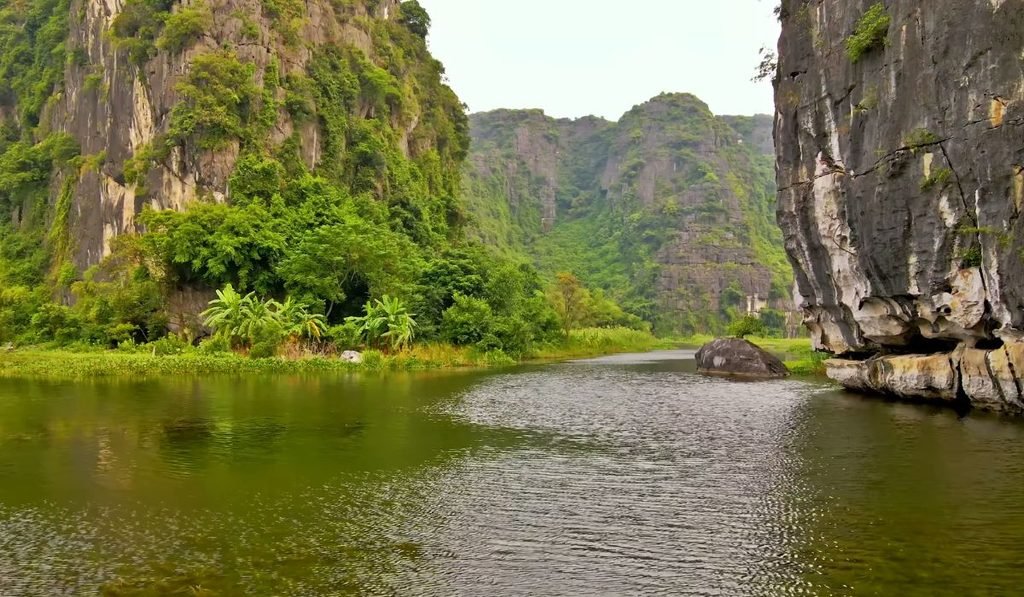
Ninh Binh is another destination I would recommend to nature lovers visiting northern Vietnam. It is famous for its dramatic limestone mountains, peaceful rivers, green countryside, and scenic boat journeys.
The Trang An Scenic Landscape Complex is one of the highlights. You can take a traditional boat ride through waterways surrounded by towering limestone formations, caves, and green vegetation. The landscape feels very different from the busy streets of Hanoi.
Tam Coc is another popular place to explore. Here, small boats travel along the Ngo Dong River, passing rice fields and limestone cliffs. If you want a panoramic view of the countryside, climb to the viewpoint at Hang Mua. The steps can be tiring, but the views from the top make the effort worthwhile.
Ninh Binh is also a convenient destination for travelers who want to combine nature with a little history. You can visit ancient temples and explore nearby countryside attractions during the same trip.
Best things to do in Ninh Binh:
- Take a boat trip through Trang An.
- Explore the Tam Coc river and rice fields.
- Climb to the Hang Mua viewpoint.
- Visit the ancient capital area of Hoa Lu.
- Explore Cuc Phuong National Park if you have extra time.
Best for: Limestone scenery, boat rides, photography, cycling, and relaxed outdoor trips.
3. Ha Long Bay – Experience Vietnam’s Famous Limestone Islands
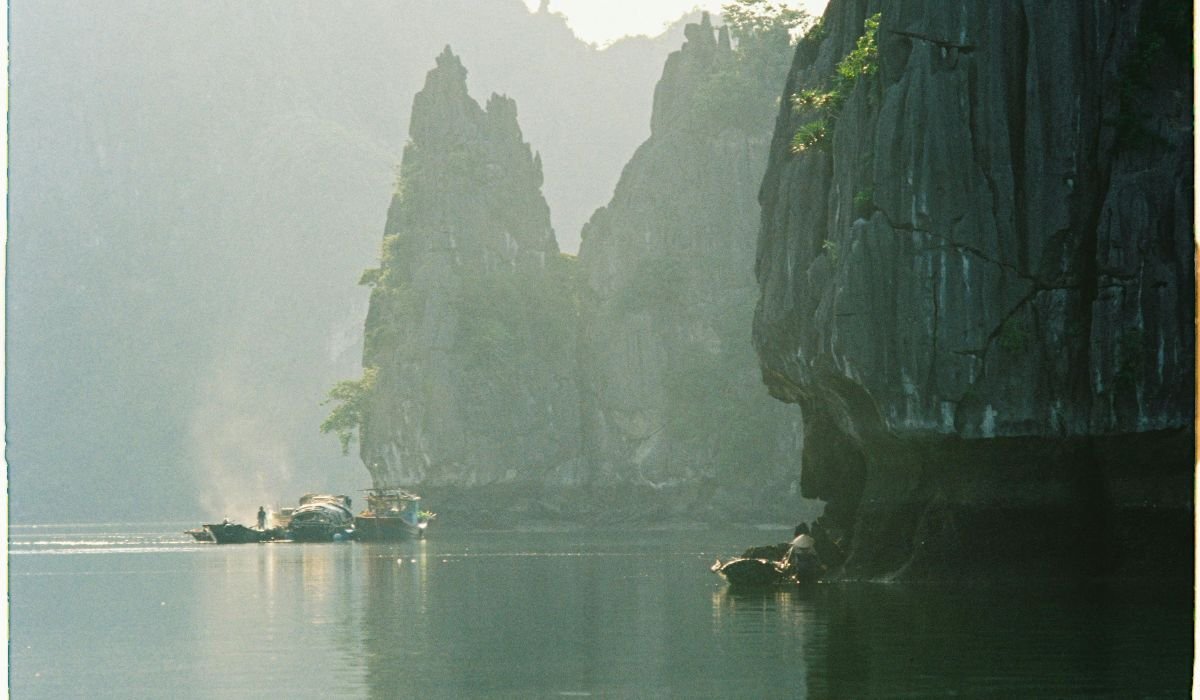
Ha Long Bay is one of Vietnam’s best-known natural attractions. Located in northeastern Vietnam, the bay is famous for its emerald-colored water and thousands of limestone islands and islets rising from the sea.
The best way to appreciate the scenery is to spend time on the water. You can book a day cruise or an overnight boat trip, depending on your schedule and budget. Many cruises include kayaking, visits to caves, and stops at scenic areas around the bay.
If you prefer a more active experience, kayaking allows you to explore smaller waterways and get closer to the limestone formations. You can also enjoy the landscape from the deck of a boat, especially during sunrise or sunset.
Ha Long Bay can be busy during popular travel periods, so it is worth comparing cruise routes and checking what is included before booking.
Best things to do in Ha Long Bay:
- Take a day cruise or overnight cruise.
- Go kayaking around limestone islands.
- Visit caves included in your cruise itinerary.
- Enjoy sunrise or sunset from the water.
- Take photographs of the bay’s dramatic scenery.
Best for: Boat trips, kayaking, photography, and coastal landscapes.
4. Phong Nha-Ke Bang National Park – Explore Vietnam’s Incredible Caves
If caves, forests, and adventure are what you are looking for, Phong Nha-Ke Bang National Park should be high on your list. This protected landscape in central Vietnam is known for its limestone mountains, underground rivers, dense forests, and extensive cave systems.
The park is particularly famous for Son Doong Cave, widely recognized as the world’s largest known cave by volume. However, not every traveler needs to book an expedition to experience the area’s underground scenery. Other caves, including Phong Nha Cave and Paradise Cave, offer different ways to explore the region.
You can also enjoy outdoor activities such as cycling, river trips, jungle trekking, and guided cave tours. Some adventure experiences require reservations, specialist equipment, and a guide, so check the requirements before planning your visit.
Phong Nha is one of the best places in Vietnam for travelers who want more than sightseeing. It is a destination where you can spend several days exploring nature and enjoying outdoor adventures.
Best things to do in Phong Nha:
- Explore Phong Nha Cave by boat.
- Walk through the impressive formations at Paradise Cave.
- Join a guided jungle or cave adventure.
- Cycle through the countryside around Phong Nha.
- Enjoy the rivers and forest scenery.
Best for: Caving, jungle adventures, cycling, and outdoor activities.
5. Ha Giang – Travel Through Vietnam’s Dramatic Mountain Roads
Ha Giang is one of the most spectacular mountain regions in northern Vietnam. It is known for its steep limestone mountains, deep valleys, winding roads, and remote villages.
The Ha Giang Loop is especially popular among travelers who want to experience the region’s scenery on a multi-day road trip. The route passes through mountain landscapes and communities, with viewpoints along the way that offer impressive views of the surrounding valleys.
One of the highlights is the Dong Van Karst Plateau Geopark. The area has a distinctive rocky landscape, with mountain roads winding between dramatic limestone formations. Ma Pi Leng Pass is another famous viewpoint, overlooking the deep Nho Que River valley.
You can explore Ha Giang by motorbike, car, or with a local driver. If you are not experienced riding a motorbike in mountain conditions, choosing a guided trip or an experienced driver is a safer option.
Best things to do in Ha Giang:
- Travel along the Ha Giang Loop.
- Enjoy the views from Ma Pi Leng Pass.
- Explore the Dong Van Karst Plateau.
- Visit local villages and markets.
- Take a boat trip on the Nho Que River when available.
Best for: Mountain road trips, photography, adventure, and dramatic landscapes.
6. Ban Gioc Waterfall – See One of Vietnam’s Most Beautiful Waterfalls
Ban Gioc Waterfall is located in Cao Bang Province, close to the Vietnam-China border. Surrounded by green countryside and limestone mountains, it is one of the most beautiful waterfall destinations in Vietnam.
The waterfall is formed by several cascades flowing over a wide limestone landscape. During periods of strong water flow, the scenery can be particularly impressive. The surrounding area also makes a wonderful destination for travelers who enjoy peaceful rural landscapes.
You can spend time viewing the waterfall from different viewpoints, taking photographs, and exploring nearby natural attractions. Nguom Ngao Cave is another interesting stop in the region if you want to add a cave visit to your itinerary.
Ban Gioc is farther from the main tourist centers than places such as Ninh Binh or Ha Long Bay. Allow enough travel time rather than trying to fit it into a rushed day trip.
Best things to do at Ban Gioc Waterfall:
- Enjoy the views of the waterfall.
- Take photographs of the surrounding limestone scenery.
- Visit Nguom Ngao Cave.
- Explore the countryside around Cao Bang.
- Combine the waterfall with a longer northern Vietnam road trip.
Best for: Waterfalls, photography, countryside scenery, and nature road trips.
7. Cat Ba Island – Enjoy Beaches, Forests, and Kayaking
Cat Ba Island is a great choice if you want to experience both coastal and forest landscapes. Located in northern Vietnam, the island is known for its beaches, limestone scenery, and Cat Ba National Park.
The national park offers opportunities for hiking and exploring the island’s natural environment. If you enjoy being active, you can walk forest trails and visit viewpoints overlooking the surrounding landscape.
The nearby Lan Ha Bay is another highlight. Its limestone islands, quiet coves, and sheltered waterways make it a beautiful place for kayaking and boat trips. Compared with some of the busier areas around Ha Long Bay, parts of Lan Ha Bay can offer a more relaxed experience, depending on the route and season.
Cat Ba is a good destination if you want to combine hiking with time near the sea.
Best things to do on Cat Ba Island:
- Explore Cat Ba National Park.
- Go kayaking around Lan Ha Bay.
- Take a boat trip through the limestone islands.
- Relax on the island’s beaches.
- Explore local villages and coastal viewpoints.
Best for: Kayaking, hiking, beaches, and island scenery.
8. Ba Be National Park – Enjoy Lakes, Forests, and Quiet Nature
If you prefer quieter destinations away from busy tourist areas, consider Ba Be National Park in northern Vietnam. The park is known for Ba Be Lake, limestone mountains, forested hills, caves, and small communities.
Ba Be Lake is the main attraction. You can take a boat trip across the water and enjoy views of the surrounding forest and mountains. The peaceful atmosphere makes it a good place to slow down after exploring Vietnam’s busier destinations.
The park is also suitable for travelers interested in walking, wildlife, and local culture. You can explore nearby villages, stay in a local homestay, and experience a different side of rural Vietnam.
Ba Be is not as frequently included in first-time Vietnam itineraries as Ha Long Bay or Ninh Binh, which makes it worth considering if you have extra time.
Best things to do in Ba Be National Park:
- Take a boat trip on Ba Be Lake.
- Explore the surrounding forest and trails.
- Visit nearby caves and waterfalls.
- Stay in a local homestay.
- Learn about local communities and their traditions.
Best for: Lakes, forests, quiet escapes, and nature-focused travel.
9. Da Lat – Explore Pine Forests, Waterfalls, and Highland Scenery
Da Lat is a beautiful highland destination in southern Vietnam. Its cooler climate, pine forests, rolling hills, lakes, and waterfalls make it different from the country’s tropical coastal destinations.
The city is surrounded by natural attractions, so you can easily plan outdoor activities beyond the town center. You can explore forest trails, visit waterfalls, cycle through the countryside, or spend a quiet morning beside one of the area’s lakes.
Datanla Waterfall is a popular attraction near Da Lat, while the surrounding countryside offers scenic routes through pine forests and agricultural areas. If you enjoy adventure activities, look into guided canyoning experiences with reputable operators.
Da Lat is a good place to add to your itinerary if you want a break from Vietnam’s warmer lowland destinations.
Best things to do in Da Lat:
- Visit Datanla Waterfall.
- Explore pine forests and countryside roads.
- Enjoy the scenery around Tuyen Lam Lake.
- Try guided canyoning with a reputable operator.
- Visit local farms and flower gardens.
Best for: Waterfalls, forests, cycling, and outdoor adventures.
10. Phu Quoc – Relax on Beaches and Explore Tropical Nature
Phu Quoc is an island destination in southern Vietnam, known for its beaches, clear water, and tropical landscapes. It is a good choice for travelers who want to spend time by the sea after exploring the mountains and forests of mainland Vietnam.
You can enjoy a relaxed beach day, go snorkeling, take a boat trip, or explore parts of Phu Quoc National Park. The island also has quieter coastal areas where you can enjoy the scenery away from the busier resort zones.
If you are interested in marine life, check local snorkeling and diving conditions before booking a tour. Visibility and sea conditions can vary throughout the year.
Phu Quoc is especially suitable for travelers who want to combine nature with a slower island holiday.
Best things to do in Phu Quoc:
- Relax on the island’s beaches.
- Explore Phu Quoc National Park.
- Go snorkeling or diving with a responsible operator.
- Take a boat trip to nearby islands.
- Enjoy the island’s coastal scenery.
Best for: Beaches, island escapes, snorkeling, and tropical landscapes.
Best Time to Visit Vietnam for Nature and Outdoor Activities
Vietnam has different weather patterns across the country, so there is no single best month for every destination. The north, central region, and south can experience different seasons and rainfall at the same time.
For this reason, choose your travel dates based on the places you want to visit rather than relying on one countrywide weather forecast.
Northern Vietnam
Destinations such as Sapa, Ha Giang, Ninh Binh, and Ha Long Bay have seasonal differences. Spring and autumn are often comfortable periods for exploring the north, although conditions can change in the mountains.
If you want to see rice terraces, check the local agricultural calendar. The fields are not golden throughout the year; their appearance changes with planting and harvesting.
Central Vietnam
Phong Nha and the central coast have a different weather pattern. Rainfall can affect cave visits, river activities, and outdoor adventures. Check seasonal conditions and tour availability before booking, especially if your plans depend on a specific cave or trekking experience.
Southern Vietnam
Phu Quoc and other southern destinations generally have a tropical climate with wet and dry periods. The drier months are often preferred for beach activities, but local sea conditions still matter.
My tip: If your main goal is hiking, kayaking, or exploring caves, check the weather for each destination a few days before traveling. Conditions in the mountains and forests can change quickly.
How to Plan a Nature-Focused Vietnam Itinerary
Vietnam is a long country, and traveling between northern, central, and southern destinations can take more time than many first-time visitors expect. Instead of trying to visit every place on one trip, choose a region and build your itinerary around it.
1. Northern Vietnam Nature Itinerary
If you have around 7–10 days, consider combining:
- Hanoi as your arrival and departure base.
- Ninh Binh for limestone scenery and boat trips.
- Ha Long Bay or Cat Ba for kayaking and coastal landscapes.
- Sapa or Ha Giang for mountain scenery.
You may need to choose between Sapa and Ha Giang depending on your interests and available time. Trying to fit both into a short trip can make the itinerary tiring.
2. Central Vietnam Nature Itinerary
For a trip focused on caves and outdoor activities, spend several days around Phong Nha. You can add other central Vietnam destinations depending on your travel route and transport connections.
Allow extra time if you plan to join a longer guided cave expedition.
3. Southern Vietnam Nature Itinerary
If you prefer tropical landscapes and beaches, consider combining Phu Quoc with other southern destinations. You can enjoy island activities, national park scenery, and a slower pace of travel.
What to Pack for Exploring Vietnam’s Natural Destinations?
Your packing list will depend on the places you plan to visit. A beach holiday requires different gear from a mountain trek or cave adventure.
For a general nature-focused trip, consider packing:
- Comfortable walking shoes with good grip.
- Lightweight and breathable clothing.
- A waterproof jacket or compact raincoat.
- Sun protection, including sunglasses, sunscreen, and a hat.
- A reusable water bottle.
- Insect repellent.
- A small daypack for hikes and day trips.
- A portable charger and travel adapter.
- A swimsuit for beaches and suitable water activities.
- Any personal medication you may need.
If you plan to trek in Sapa, explore caves in Phong Nha, or join a multi-day outdoor tour, check the operator’s equipment list before packing. Some specialist activities require specific gear and safety equipment.
If this is your first time preparing for a mountain adventure, you may also find my guide to mistakes to avoid on your first mountain trip helpful. It covers practical lessons to think about before heading out on the trail.
Final Thoughts: Which Vietnam Nature Destination Should You Visit?
Vietnam has something special for almost every kind of nature lover. You can explore the rice terraces and mountain trails of Sapa, admire the limestone landscapes of Ninh Binh, discover caves in Phong Nha, or enjoy the beaches and forests of Phu Quoc.
If you love hiking and mountain adventures, start with Sapa or Ha Giang. If you prefer rivers, caves, and limestone scenery, Ninh Binh and Phong Nha are excellent choices. For a relaxing coastal trip, consider Cat Ba or Phu Quoc.
You do not need to visit every destination in one trip. Choose the landscapes that interest you most, leave enough time to explore, and enjoy the natural beauty that makes Vietnam such a rewarding place to travel.
For more destination inspiration, hiking guides, and outdoor travel ideas, explore Paradox Traveller and start planning your next adventure.