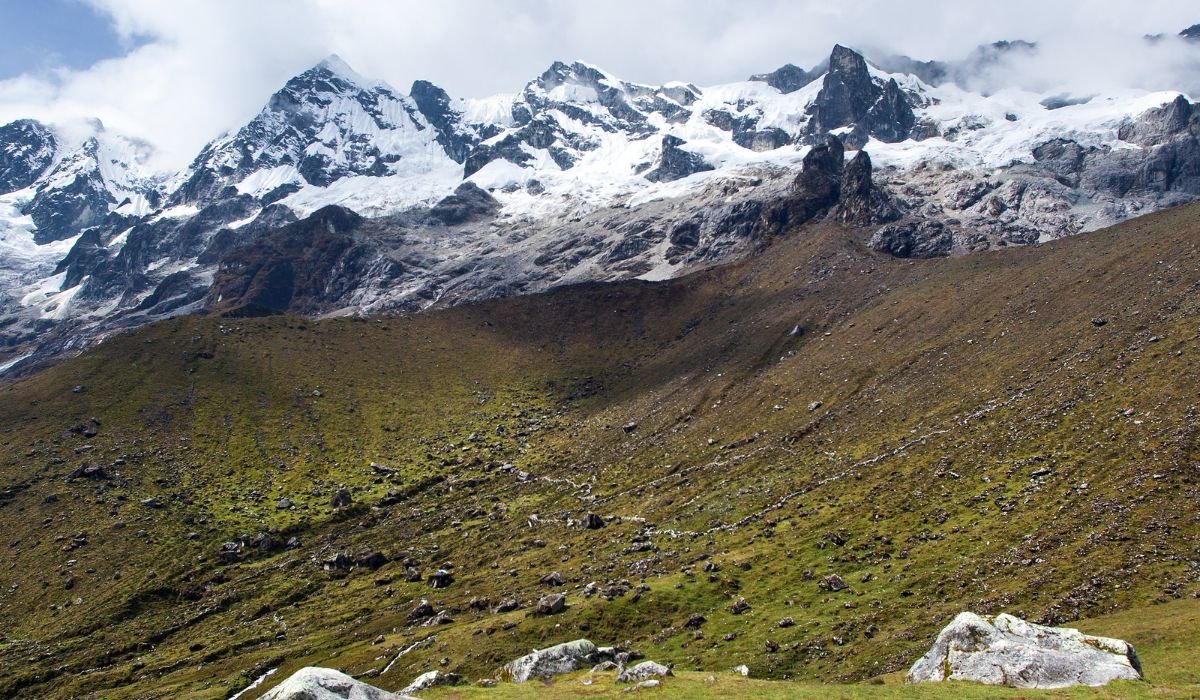
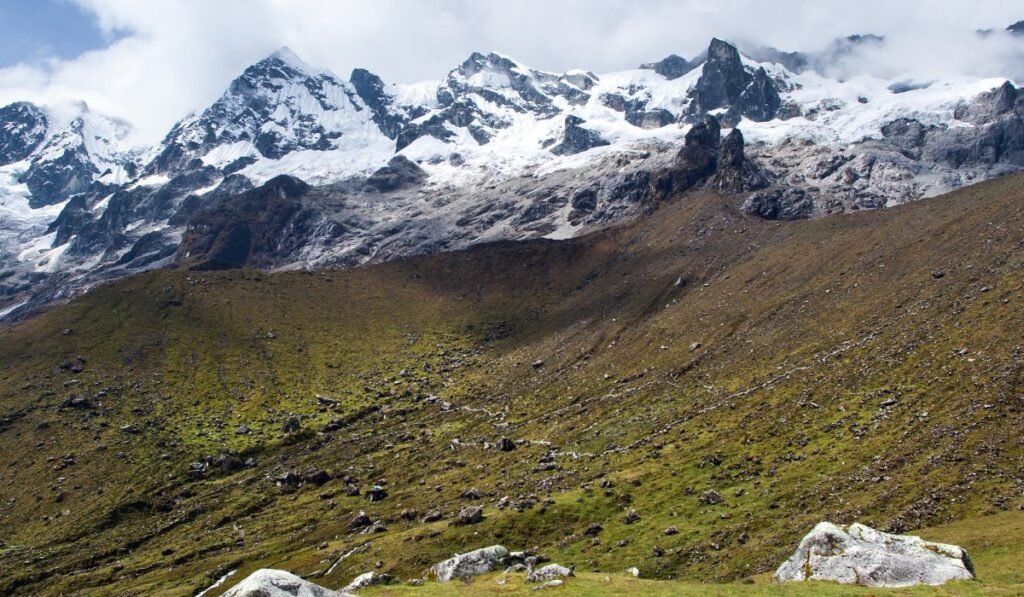
Planning the Salkantay Trek to Machu Picchu is a great choice if you want to experience the Peruvian Andes beyond the usual tourist routes. This multi-day hike takes you through snow-covered mountain scenery, high-altitude passes, glacial lakes, green valleys, and tropical cloud forests before you reach Machu Picchu.
Unlike the Classic Inca Trail, the Salkantay Trek does not require the same limited Inca Trail permit, making it an alternative for travelers who cannot secure a spot on that popular route. However, you still need to arrange your visit to Machu Picchu and check the current entrance requirements.
As a solo female traveler, I believe preparation is one of the most important parts of any mountain adventure. This guide covers the itinerary, difficulty, estimated costs in US dollars, accommodation, packing, and safety tips. Prices, access rules, and ticket requirements can change, so always confirm the latest information through official sources before booking.
Salkantay Trek at a Glance
| Trek information | Details |
|---|---|
| Trek duration | 4 or 5 days |
| Approximate distance | 37–44 miles (60–70 km) [VERIFY: route and itinerary variation] |
| Highest point | Salkantay Pass, approximately 15,190 feet (4,630 m) [VERIFY] |
| Difficulty | Challenging |
| Best season | Generally April–October |
| Starting point | Cusco, with the trail beginning near Mollepata or Soraypampa, depending on the itinerary |
| Ending point | Machu Picchu |
| Special Salkantay permit | Generally not required [VERIFY: current local access requirements] |
| Machu Picchu entry | Separate entry ticket required |
| Guide | Optional for independent trekking, but guided tours are available [VERIFY: current access conditions] |
What Is the Salkantay Trek?
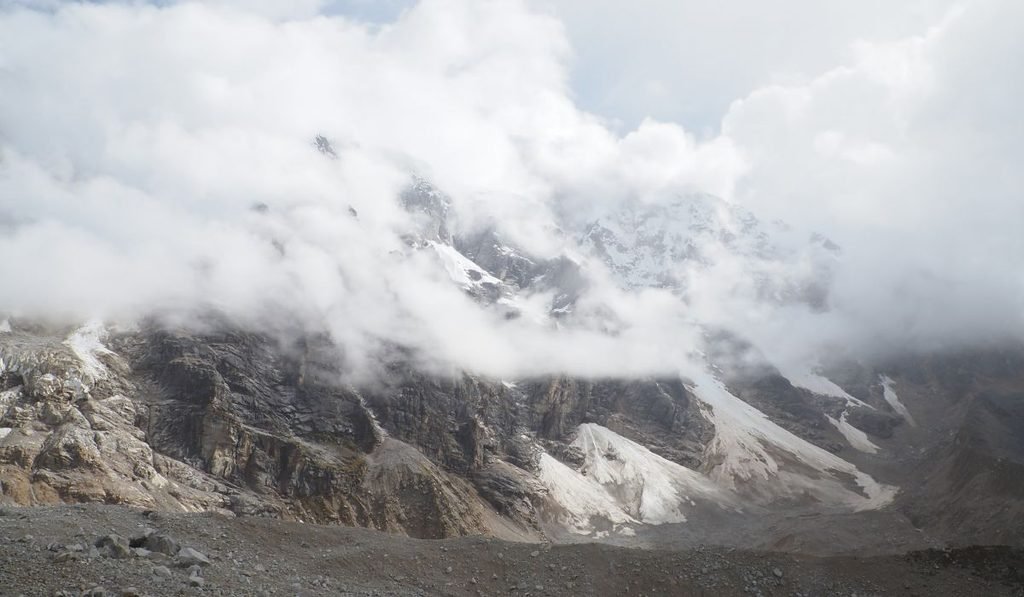
The Salkantay Trek is a multi-day hiking route in the Cusco region of Peru that takes you through the Vilcabamba mountain range toward Machu Picchu. The route is named after Mount Salkantay, a dramatic snow-covered mountain that stands above the surrounding valleys.
The trek is known for its changing landscapes. You begin in a high-altitude mountain environment, pass glacial lakes and rocky terrain, cross the Salkantay Pass, and gradually descend toward warmer valleys with more vegetation.
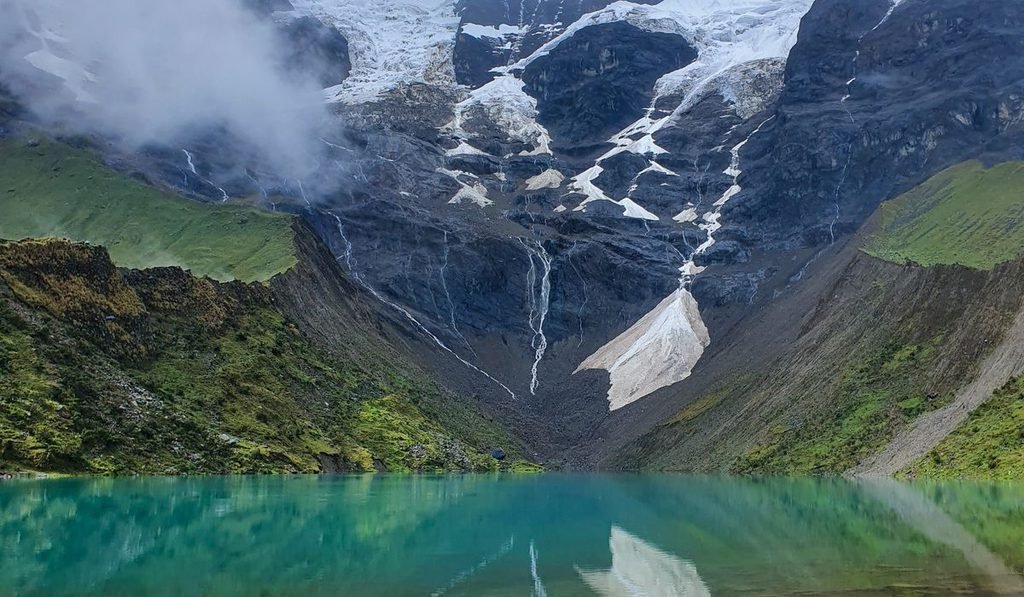
One of the most memorable stops on many itineraries is Humantay Lake. Its turquoise-colored water, surrounded by steep mountain slopes, makes it a popular side trip before the main trek continues.
The Salkantay route is also different from the Inca Trail because it does not follow the same historic stone pathway. Instead, it offers a more varied mountain experience with fewer archaeological sites along the main route.
Most trekkers choose a four- or five-day itinerary. The five-day version generally gives you more time to enjoy the scenery and explore additional locations before reaching Machu Picchu.
Salkantay vs. Inca Trail: Which Trek Should You Choose?
Both the Salkantay Trek and the Classic Inca Trail lead to Machu Picchu, but the experiences are quite different.
The best choice depends on your budget, available time, fitness level, and whether you prefer mountain scenery or ancient archaeological sites.
| Comparison | Salkantay Trek | Classic Inca Trail |
|---|---|---|
| Scenery | Snow-covered mountains, lakes, valleys, cloud forest | Andes mountains, cloud forest, ancient ruins |
| Difficulty | Challenging | Moderate to challenging |
| Permits | No equivalent limited Inca Trail permit generally required | Restricted permits required |
| Booking | More flexible, depending on access and transport | Often needs advance booking |
| Crowds | Varies by route and season | Popular and regulated |
| Cost level | Often more budget-friendly | Usually more expensive |
If you want to walk through ancient Inca ruins and enter Machu Picchu through the Sun Gate, the Classic Inca Trail may suit you better.
However, if you prefer dramatic mountain scenery, glacial lakes, and a route with more flexible booking options, the Salkantay Trek is worth considering.
You can read my detailed Inca Trail to Machu Picchu guide to compare the two experiences before deciding.
How Difficult Is the Salkantay Trek?
The Salkantay Trek is generally considered challenging because of its high altitude, long walking days, and changing weather conditions.
You do not need technical climbing skills for the standard trekking route, but you should be comfortable walking for several hours on uneven and sometimes steep terrain.
Altitude and the Salkantay Pass
The biggest physical challenge is crossing the Salkantay Pass, which reaches approximately 15,190 feet (4,630 m) above sea level [VERIFY].
At this elevation, the air contains less available oxygen, and even a relatively fit person can become tired more quickly. You may notice shortness of breath, headaches, or reduced energy while climbing.
Take your time and avoid rushing to reach the highest point. The climb is demanding enough without putting unnecessary pressure on yourself.
Long Hiking Days
Some days involve several hours of continuous walking. The uphill sections can be tiring, while the downhill stretches may put pressure on your knees and ankles.
I recommend preparing with regular hill walks, stair climbing, and longer hikes before your trip. If you are planning other mountain adventures, my guide to mistakes to avoid on your first mountain trip may also help you prepare.
Changing Weather
The weather can change quickly in the Andes. You may experience sunshine, cold winds, rain, and low temperatures during the same trek.
Pack layers instead of relying on one thick jacket. A waterproof outer layer is particularly useful when the weather becomes unpredictable.
Best Time to Do the Salkantay Trek
The best time for the Salkantay Trek is generally during Peru’s drier months, although conditions vary from year to year.
The route is accessible during much of the year, but rainfall, trail conditions, and visibility can affect your experience.
Dry Season: Generally April to October
The dry season is usually the most popular time for trekking in the Cusco region.
You have a better chance of clearer mountain views and less rainfall. However, mornings and nights can be very cold, particularly at higher elevations.
June, July, and August are popular travel months, so expect more visitors and potentially busier accommodation along the route.
Rainy Season: Generally November to March
The rainy season brings more frequent rainfall, muddy trails, and potentially lower visibility.
The surrounding landscapes can look greener, but wet conditions may make some sections more difficult. Heavy rain can also affect road access and transportation.
If you decide to hike during this period, check the latest local weather and trail conditions before leaving Cusco.
My suggestion: If your travel dates are flexible, consider the shoulder months around April, May, September, or October. These can offer a balance between weather and visitor numbers, although conditions are never guaranteed.
Salkantay Trek Itinerary: 4-Day and 5-Day Options
The Salkantay Trek has different itinerary options, and the exact route depends on the trekking company or your independent travel arrangements.
The five-day version is a popular choice because it allows more time to explore the mountain scenery and surrounding valleys. A four-day version is possible if you have less time, but it can involve longer walking days or transport arrangements.
The distances below are approximate planning ranges, not guaranteed daily measurements. Confirm your exact route, campsite locations, and transport arrangements before booking.
5-Day Salkantay Trek Itinerary
Day 1: Cusco to Soraypampa and Humantay Lake
The first day usually begins with an early departure from Cusco. You travel toward the Mollepata area before continuing to the trailhead, where the hiking portion begins.
After reaching the starting area, you walk toward Soraypampa, a high-altitude campsite surrounded by impressive mountain scenery.
Depending on your itinerary and energy level, you may also visit Humantay Lake. The turquoise water and mountain backdrop make this one of the most photographed locations along the Salkantay route.
- Approximate hiking distance: 4–8 miles (6–13 km) [VERIFY]
- Highlights: Humantay Lake, mountain scenery, first campsite
- Where you sleep: Soraypampa area, usually in a campsite or mountain accommodation
Day 2: Soraypampa to Salkantay Pass to Chaullay
Day 2 is generally the most demanding part of the trek.
You start early and gradually climb toward Salkantay Pass. The higher you go, the more challenging the trail can feel because of the altitude and cold mountain conditions.
Reaching the pass is a major milestone. You can take a break, enjoy the surrounding peaks, and appreciate the views before beginning the long descent.
The landscape gradually changes as you move away from the high mountain environment and descend toward the warmer valley.
- Approximate hiking distance: 10–13 miles (16–21 km) [VERIFY]
- Highlights: Salkantay Pass, mountain views, high-altitude landscapes
- Where you sleep: Chaullay area or another designated campsite, depending on the route
Day 3: Chaullay to La Playa or Lucmabamba
After the demanding second day, the third day usually takes you farther into the warmer valleys.
The trail passes through greener surroundings, with vegetation becoming thicker as you lose elevation. You may notice a big difference in temperature compared with the cold mountain environment around Salkantay Pass.
Some itineraries include coffee plantations and local agricultural areas, giving you a different perspective on the region.
- Approximate hiking distance: 8–12 miles (13–19 km) [VERIFY]
- Highlights: Cloud forest, rivers, local communities, coffee-growing areas
- Where you sleep: La Playa or Lucmabamba area, depending on the itinerary
Day 4: Lucmabamba to Llactapata and Aguas Calientes
Day 4 can be another rewarding section because some itineraries include a visit to Llactapata.
You climb through the forest toward the archaeological site, where you may get a distant view of Machu Picchu on a clear day. The trail then descends toward the Hidroeléctrica area.
From there, many trekkers follow the railway-side walking route toward Aguas Calientes, also known as Machu Picchu Pueblo.
This is usually a long day, so keep enough water and snacks in your daypack.
- Approximate hiking distance: 10–12 miles (16–19 km) [VERIFY]
- Highlights: Llactapata, forest scenery, railway-side walking route
- Where you sleep: Aguas Calientes, generally in a hotel or guesthouse
Day 5: Aguas Calientes to Machu Picchu and Return to Cusco
The final day is all about visiting Machu Picchu.
You can reach the entrance by the authorized shuttle bus or by walking uphill, depending on your ticket arrangements and physical condition.
Once inside, follow the circuit and route printed on your entrance ticket. Entry routes and visiting times are controlled, so plan ahead rather than assuming you can explore every section.
After your visit, return to Aguas Calientes and continue your journey back toward Cusco by your arranged transport.
- Approximate hiking distance: Depends on your chosen access method [VERIFY]
- Highlights: Machu Picchu archaeological site and mountain views
- Where you sleep: Cusco or another destination after returning
4-Day Salkantay Trek Itinerary
If you have limited time, a four-day Salkantay Trek may be a better option.
The general route follows the same high mountain crossing and descent into the warmer valleys, but the second half may involve shorter stops, vehicle transfers, or a different arrangement for reaching Aguas Calientes.
Day 1: Cusco to Soraypampa and Humantay Lake
Travel from Cusco toward the trailhead, hike to Soraypampa, and visit Humantay Lake if your itinerary allows.
- Approximate hiking distance: 4–8 miles (6–13 km) [VERIFY]
- Sleep: Soraypampa area
Day 2: Soraypampa to Salkantay Pass and Chaullay
Cross the high Salkantay Pass and descend toward the warmer valley.
- Approximate hiking distance: 10–13 miles (16–21 km) [VERIFY]
- Sleep: Chaullay area
Day 3: Chaullay to Hidroeléctrica and Aguas Calientes
Continue through the lower valley toward Hidroeléctrica. Depending on the arrangement, you may walk along the railway route or use local transportation for part of the journey.
- Approximate hiking distance: 10–14 miles (16–23 km) [VERIFY]
- Sleep: Aguas Calientes
Day 4: Machu Picchu and Return to Cusco
Visit Machu Picchu using your reserved entrance ticket and return to Cusco according to your transport schedule.
- Hiking distance: Depends on the route and entrance access [VERIFY]
- Highlights: Machu Picchu
- Sleep: Cusco or onward destination
Before choosing a four-day tour, check exactly which sections you will walk and which sections involve transportation. A shorter itinerary does not always mean less physical effort.
Salkantay Trek Cost: How Much Should Americans Budget?
The Salkantay Trek can fit different travel budgets depending on whether you choose an organized tour or arrange the journey independently.
Your total spending depends on the number of trekking days, accommodation, transportation, food, equipment, and Machu Picchu entry arrangements.
The following figures are broad planning estimates in US dollars, not confirmed 2026 prices.
| Expense | Estimated cost (USD) |
|---|---|
| Guided 4–5 day trekking package | $300–$700 [VERIFY] |
| Independent trekking expenses | $200–$450 [VERIFY] |
| Machu Picchu entrance ticket | $45–$65 [VERIFY] |
| Gear rental | $20–$70 [VERIFY] |
| Tips for guides and support staff | $30–$80 [VERIFY] |
| Additional meals and snacks | $30–$80 [VERIFY] |
| Extra accommodation and transport | $30–$100 [VERIFY] |
These figures are not a guaranteed package total. Some guided tours include meals, campsites, transportation, and Machu Picchu admission, while others charge separately for certain services.
Always ask for a written breakdown before paying. Check whether the price includes sleeping bags, luggage transfers, entrance tickets, return transportation, and meals.
For the latest Machu Picchu ticket prices and availability, use the official government booking platform rather than relying only on third-party websites.
Do You Need a Guide or Tour Operator?
Unlike the Classic Inca Trail, the Salkantay Trek is generally possible without booking a guided trekking package.
Independent travelers can arrange transportation, accommodation, meals, and the route themselves. However, this requires more planning because you need to understand the trail, organize your logistics, and check local access conditions.
A guided tour is often easier if you are unfamiliar with Peru or do not want to organize every part of the trek.
A typical package may include:
- Transportation from Cusco to the trailhead
- Guide and trekking support staff
- Meals during the trek
- Campsite or accommodation arrangements
- Luggage support, depending on the package
- Assistance with Machu Picchu arrangements
Before booking, ask about the group size, emergency arrangements, guide qualifications, included services, and any additional charges.
Altitude and Acclimatization Before the Salkantay Trek
Altitude is something you should take seriously before hiking the Salkantay route.
Cusco sits at approximately 11,000 feet (3,350 m), which is already high enough for some visitors to experience altitude sickness. The Salkantay Pass is considerably higher.
I recommend allowing at least two or three days in Cusco before starting the trek, although this does not guarantee that you will avoid altitude sickness.
Common Symptoms of Altitude Sickness
Watch for symptoms such as:
- Headache
- Nausea
- Dizziness
- Tiredness
- Loss of appetite
- Difficulty sleeping
Do not assume these symptoms are simply caused by exercise or tiredness. Avoid ascending further if you have symptoms, and seek medical advice.
When Should You Descend?
Severe or worsening symptoms require immediate attention.
Confusion, loss of coordination, extreme tiredness, breathlessness at rest, or a worsening cough can indicate serious altitude illness. Descend to a lower elevation with assistance and seek urgent medical care.
Speak with a healthcare professional before your trip about your personal altitude risk and whether preventive medication is appropriate.
What to Pack for the Salkantay Trek
Packing the right equipment makes a big difference when you are walking through changing mountain conditions.
I prefer to keep my backpack practical and avoid carrying unnecessary items.
Clothing
- Moisture-wicking base layers
- Fleece jacket
- Insulated down jacket
- Waterproof rain jacket
- Hiking pants
- Thermal leggings
- Warm hiking socks
- Gloves
- Warm hat
- Sun hat
- Comfortable sleepwear
Hiking Gear
- Broken-in hiking boots
- Daypack
- Trekking poles
- Headlamp
- Reusable water bottle
- Sleeping bag, if not provided
- Backpack rain cover
- Sunglasses
- Sunscreen
Documents and Personal Items
- Passport
- Machu Picchu entrance ticket
- Travel insurance information
- Cash in Peruvian soles
- Phone and power bank
- Camera
- Personal toiletries
- Any prescribed medication
Safety Essentials
- Basic first-aid kit
- Blister treatment
- Personal medication
- Electrolyte supplies
- Emergency contact details
- Water purification method, if required by your itinerary
Check with your tour operator about what equipment is included before purchasing or renting everything yourself.
Safety and Solo Female Travel Tips
Traveling alone can be a rewarding experience, but remote mountain routes require more preparation than ordinary sightseeing.
I would encourage solo female travelers to research their route, understand the local transport arrangements, and choose an option that matches their experience and comfort level.
Here are some practical tips:
Choose your trekking arrangement carefully. If you are new to multi-day trekking in Peru, joining a reputable guided group can make logistics and emergency communication easier.
Share your itinerary. Give someone you trust your route, accommodation details, and expected return date.
Keep important belongings secure. Carry your passport, money, phone, and essential medication in a secure, accessible place.
Ask about group arrangements. Before booking, check the group size, sleeping arrangements, and whether solo travelers share accommodation or tents.
Carry enough water and snacks. Do not depend entirely on finding supplies along remote sections of the trail.
Check travel insurance. Make sure your policy covers high-altitude trekking, emergency medical treatment, and evacuation at the elevations on your route.
Most importantly, do not feel pressured to keep up with other trekkers. Walk at a pace that feels manageable, communicate with your guide, and take your safety seriously.
How to Get to Cusco from the US
Most US travelers will need to connect through Lima before continuing to Cusco.
A common route is to fly from a major US airport to Lima, Peru, and then take a domestic flight to Alejandro Velasco Astete International Airport in Cusco.
Depending on your departure city and airline schedule, you may have one or more connections.
I recommend arriving in Cusco a few days before your trek rather than scheduling your arrival immediately before the departure date. This gives you time to rest, organize your equipment, and adjust to the altitude.
Keep your return plans flexible enough to account for weather or transportation delays.
Frequently Asked Questions About the Salkantay Trek
Is the Salkantay Trek harder than the Inca Trail?
The Salkantay Trek can feel harder because of its high mountain pass, longer walking sections, and changing terrain. However, difficulty depends on the itinerary, fitness, weather, and how well you adjust to altitude. The Inca Trail also has demanding climbs and steep stone stairways.
Do you need a permit for the Salkantay Trek?
The Salkantay Trek generally does not require the same restricted permit as the Classic Inca Trail. However, local access requirements and any fees along your chosen route should be checked before departure. You still need a separate Machu Picchu entrance ticket if you plan to visit the archaeological site.
Can beginners do the Salkantay Trek?
Beginners can prepare for the Salkantay Trek, but it is not an easy first hike. The high altitude and long walking days require good preparation. Start training before your trip and allow enough time to acclimatize in Cusco.
How many days does the Salkantay Trek take?
Most travelers choose a four- or five-day itinerary. The five-day option generally allows more time for the journey, while shorter itineraries may involve longer hiking days or additional transport arrangements.
Is the Salkantay Trek safe for solo female travelers?
Many solo female travelers consider guided group trekking because it makes route planning and logistics easier. However, safety depends on the operator, group arrangements, weather, personal preparation, and emergency support. Research your options and make sure your insurance covers the trek.
What is the highest point of the Salkantay Trek?
The highest point is Salkantay Pass, at approximately 15,190 feet (4,630 m) above sea level. [VERIFY] Altitude can make this section physically demanding, so take your time and watch for symptoms of altitude sickness.
Can you do the Salkantay Trek without a guide?
Independent trekking is generally possible on the Salkantay route, unlike the restricted Classic Inca Trail. However, you need to arrange your own transport, accommodation, food, and Machu Picchu entry. Check current local access and route conditions before setting out.
Should you choose the Salkantay Trek or the Inca Trail?
Yes, you should choose the Salkantay Trek if you prefer dramatic mountain landscapes, glacial lakes, and a more flexible route. Choose the Classic Inca Trail if you want to experience ancient Inca pathways and archaeological sites along the journey. Both offer memorable ways to reach Machu Picchu.
The Salkantay Trek is a wonderful option if you want to experience more of Peru’s mountain landscapes before visiting Machu Picchu. Give yourself enough time to prepare, take altitude seriously, and choose an itinerary that suits your fitness and travel plans.
You do not have to rush through the journey. Sometimes the best part of a mountain adventure is everything you experience along the way, not just the destination at the end.